
Planning a Sikh and Hindu Wedding in Birmingham
How to coordinate two sacred traditions, two families, multiple events and one joined-up photography story without rushing the moments that matter.
Book a free consultationChat on WhatsApp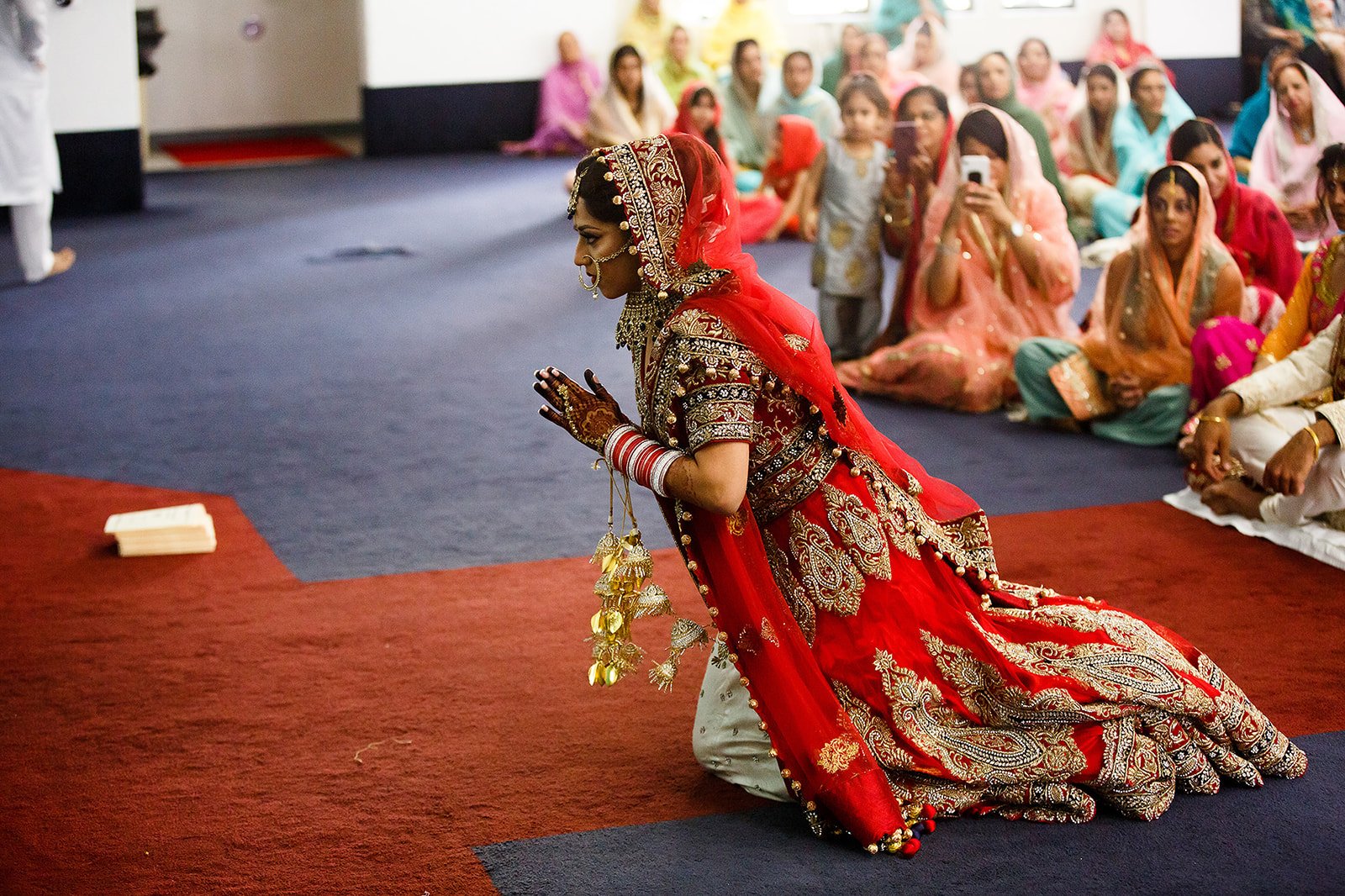
A combined celebration needs one joined-up plan.
When a wedding brings Sikh and Hindu traditions together, each ceremony should keep its own meaning, etiquette and pace. The photography plan must connect the events without treating the Anand Karaj and Hindu ceremony as interchangeable.
Ikonic Media plans multicultural celebrations around both families, the sequence of each sacred ceremony, Birmingham travel and any events that overlap. The result is one coherent story with distinct traditions represented accurately.
How to honour both traditions without blending them into one
A Sikh–Hindu fusion wedding may share colour, family energy and several days of events, but the ceremony structure, etiquette and important photographic positions remain different. A reliable team plans each part by its actual tradition and connects the separate events through people, relationships and visual continuity.
The Sikh ceremony
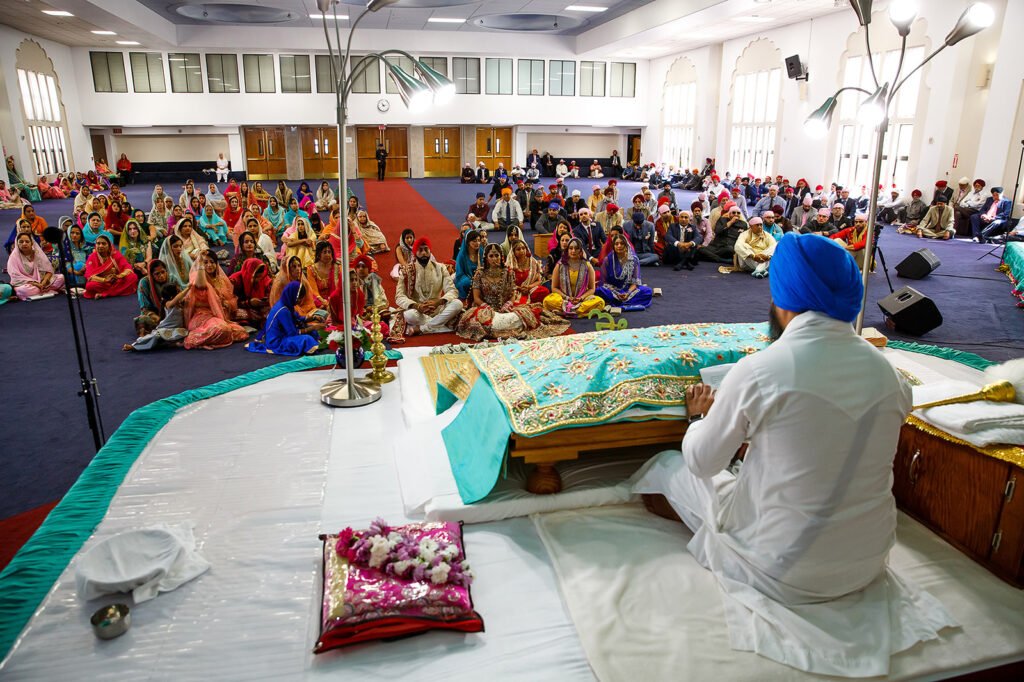
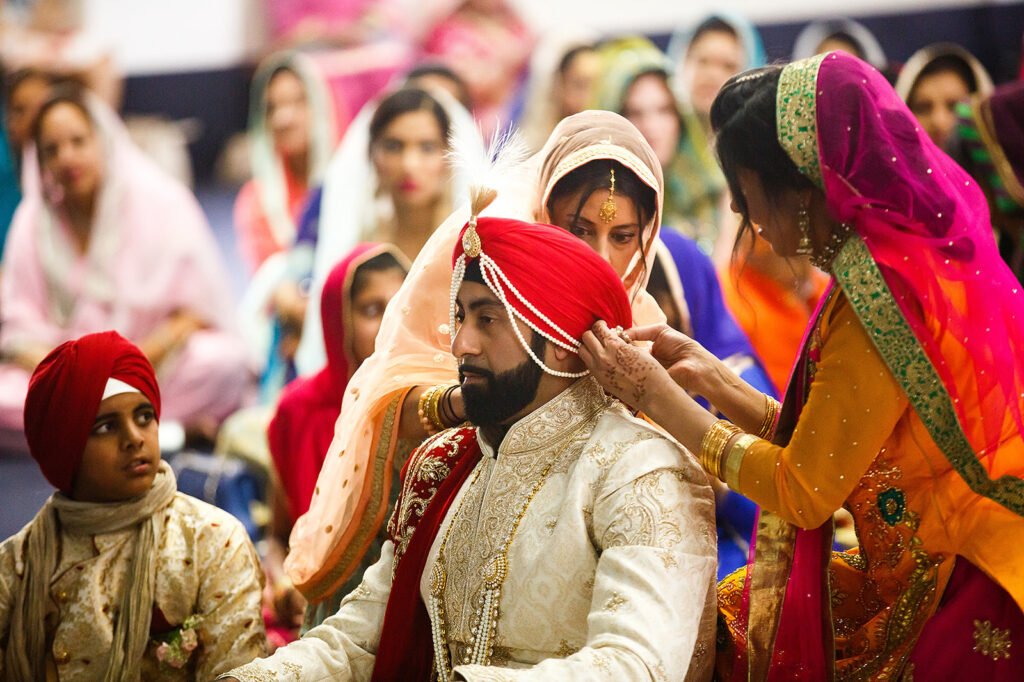
Centres on the Anand Karaj, the four Lavaan, Kirtan, Ardaas, family reactions and respectful movement inside the Gurdwara. Milni, Chooda, Kalire, Sehra, Doli and the reception may complete the wider story.
View the dedicated Sikh wedding serviceThe Hindu ceremony
Follows the traditions chosen by each family, which may include Ganesh Puja, Haldi, Mehndi, Baraat, Jai Mala, Kanyadaan, Pheras or Saptapadi, Sindoor, Mangalsutra and Vidaai.
View the dedicated Hindu wedding serviceThree practical ways to structure a Sikh–Hindu wedding
There is no universal order. The right structure depends on the families, places of worship, priest or Giani availability, legal ceremony, guest travel and how much energy the couple wants to preserve for each event.
| Structure | How it works | Photography implications |
|---|---|---|
| Separate dates | The Anand Karaj and Hindu ceremony take place on different days, with one shared reception or two smaller celebrations. | Each ceremony receives proper time. Use one visual plan so colour, family coverage and editing still feel connected. |
| One wedding weekend | One ceremony takes place on the first day and the second ceremony follows the next day, often with the reception that evening. | Build equipment charging, data backups, outfit details and travel into the overnight plan. A consistent core team helps relationships carry across both days. |
| One extended day | Both ceremonies and the reception happen on the same day, subject to venue and officiant arrangements. | This needs the largest buffers, careful meal planning, realistic outfit-change time and often more than one photographer because transitions overlap. |
Decide what “equal coverage” means to your families
Equal does not always mean the same number of minutes or photographs. It means agreeing which rituals, relatives and reactions are essential in each tradition, then protecting those moments in the schedule and final gallery.
A joined-up photography brief should confirm
- which Sikh and Hindu rituals are included and who will explain any family-specific variations
- whether the legal ceremony happens separately
- which relatives must appear in each ceremony and formal group
- outfit-change locations and realistic changing time
- Gurdwara, Mandir and reception rules for photography, lighting and movement
- where guests eat and how that affects family-photo timing
- which events overlap and whether a second photographer is necessary
- how the final gallery and wedding film should connect both traditions
Sikh wedding moments a photographer must anticipate
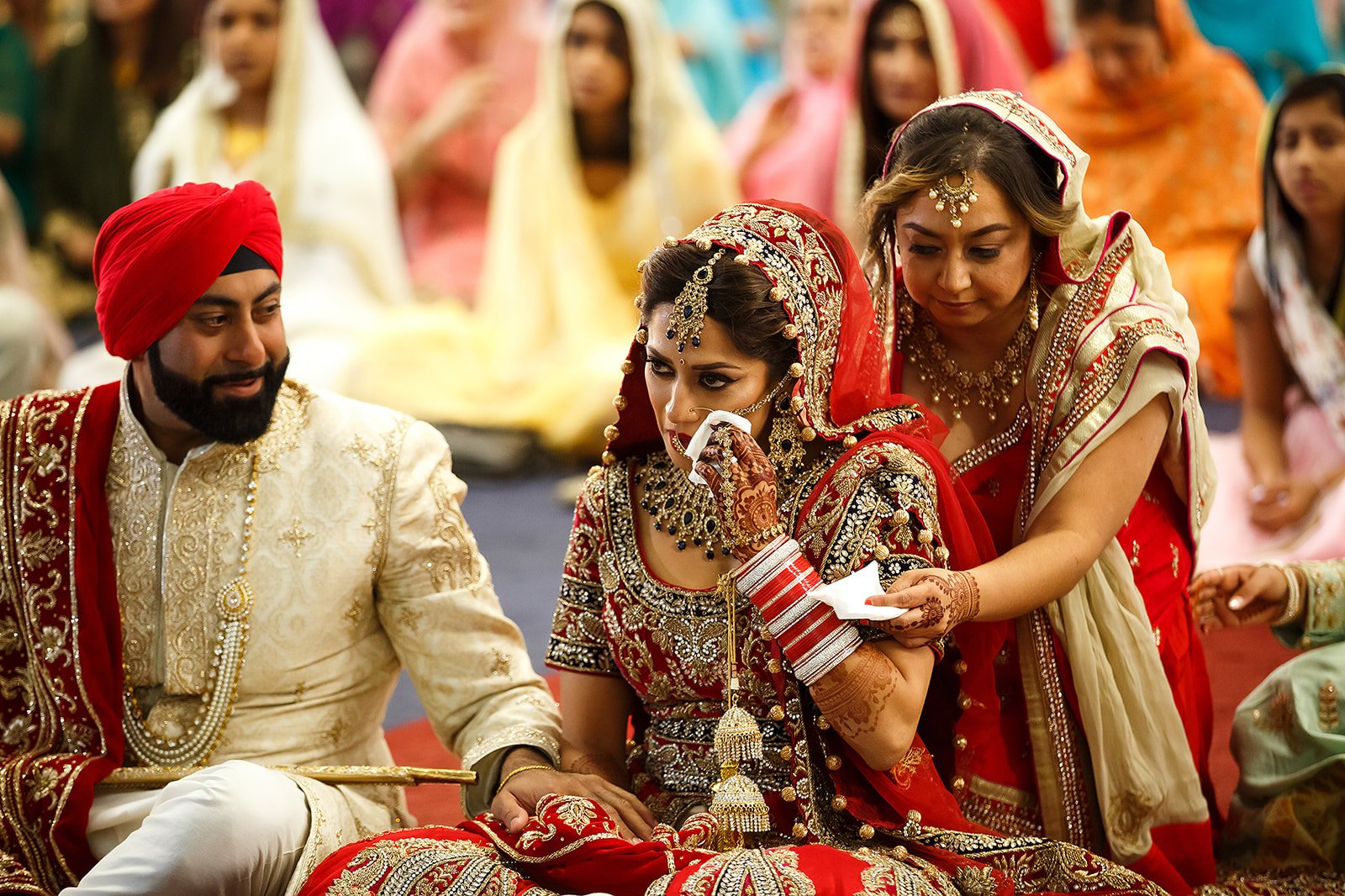
During an Anand Karaj, there are no second takes. The photographer needs to understand the ceremony sequence, maintain appropriate distance and prepare for reactions around the congregation as well as the couple.
- Chooda and Kalire
- Sehra Bandi
- Baraat arrival
- Milni between families
- Gurdwara entrance
- The four Lavaan
- Kirtan and Ardaas
- Family portraits
- Doli or Vidaai
- Reception entrances
- Speeches and performances
- Dance-floor celebrations
Gurdwara etiquette comes before the photograph
The team should cover their heads, dress appropriately, remove shoes where required, avoid crossing sacred sightlines and follow instructions from the Gurdwara. Quiet observation creates stronger photographs than disruption.
Hindu wedding moments that shape the story
Hindu ceremony traditions vary by region, language and family. Before the wedding, we ask which rituals are included, who leads them and what matters most to both families. That detail determines camera positions, lighting and when extra coverage is useful.
| Moment | What the photographer prepares for |
|---|---|
| Haldi and Mehndi | Fast family interactions, colour, details and simultaneous reactions. |
| Baraat and welcome | Movement, dancing, wide atmosphere and greetings between families. |
| Jai Mala or Varmala | A quick garland exchange with expressions from the couple and guests. |
| Mandap rituals | Mixed lighting, restricted sightlines and the sequence set by the priest. |
| Pheras or Saptapadi | Clear positions around the sacred fire without interrupting the ceremony. |
| Sindoor and Mangalsutra | Close details and family reactions during brief, meaningful actions. |
| Vidaai | Emotion across the couple, parents, siblings and wider family. |
Build one master timeline for both ceremonies
A combined celebration needs a single document covering preparations, greetings, both ceremonies, family photographs, travel, outfit changes and the reception. Birmingham traffic and several large family groups can turn a ten-minute gap into a delay quickly.
List every event
Put both families’ ceremonies, traditions and locations into one shared schedule.
Confirm protocols
Check timings and venue rules separately with the Gurdwara, Hindu priest and reception venue.
Protect family time
Use agreed group lists and one confident organiser from each side of the family.
Create breathing room
Add travel buffers and one calm 25–40 minute portrait window instead of rushing between traditions.
Example Anand Karaj and reception schedule
| 7:00–9:00 | Preparations and family details |
| 9:30–10:30 | Baraat and Milni |
| 11:00–12:30 | Anand Karaj |
| 12:30–13:30 | Family photographs and Langar |
| 14:30–15:15 | Couple portraits |
| 16:30 onwards | Reception, speeches and dancing |
Example Hindu ceremony and reception schedule
| 7:00–9:30 | Preparations and home rituals |
| 10:00–11:00 | Baraat and welcome |
| 11:00–13:30 | Mandap ceremony |
| 13:30–14:30 | Family photographs and meal |
| 15:30–16:15 | Couple portraits or outfit change |
| 17:30 onwards | Reception entrances and evening celebration |
Birmingham venue planning
Couples commonly combine a Gurdwara or Mandir with a hotel, stadium, banqueting suite or heritage reception venue. The important factors are travel, parking, supplier access, stage lighting, ceremony permissions and enough turnaround time between locations.
Sikh ceremony planning
Confirm the Gurdwara’s current photography rules, arrival procedure, Langar timing and family-group location. Handsworth and Smethwick ceremonies often need a realistic travel buffer before a city-centre, Edgbaston or Solihull reception.
Hindu ceremony planning
Ask about sacred-fire permissions, Mandap sightlines, mixed stage lighting and space for family rituals. For Shri Venkateswara Balaji Temple ceremonies, read our Balaji Temple wedding photography guide.
Useful reception facts to verify before building the timeline
Edgbaston Stadium’s official events information currently lists spaces for 10–800 people and more than 400 complimentary on-site parking spaces. That can simplify logistics for a large celebration, but couples should still confirm their chosen suite, supplier access and current catering arrangements directly.
Birmingham City Council describes Highbury Hall as a licensed civil-ceremony venue in landscaped grounds. Its published wedding information currently states capacity for up to 100 daytime guests, making it a different option from a large banqueting venue. Capacities, policies and availability can change, so verify them with the venue before fixing the photography schedule.
How to choose the right photography team
Awards and social-media highlights can be useful signals, but they do not prove full-day consistency. Ask to see a complete Sikh or Hindu wedding gallery with preparations, ceremony, family groups, portraits and reception photographs.
Questions that reveal real experience
- Can you explain the order of our ceremony and your coverage plan?
- How will you work within our Gurdwara, Mandir or venue rules?
- Who will personally photograph the wedding?
- How do you organise large family photographs quickly?
- How do you handle dark Gurdwaras or mixed Mandap lighting?
- What backup cameras, storage and delivery safeguards do you use?
- Do overlapping preparations require a second photographer?
- Can photography and film be covered by one coordinated team?
For team size, hours and combined coverage, use our wedding photography package guide.

Wedding photographer and filmmaker with more than 20 years of experience at Ikonic Media Solutions.
Last reviewed: September 2026 · About Ikonic Media
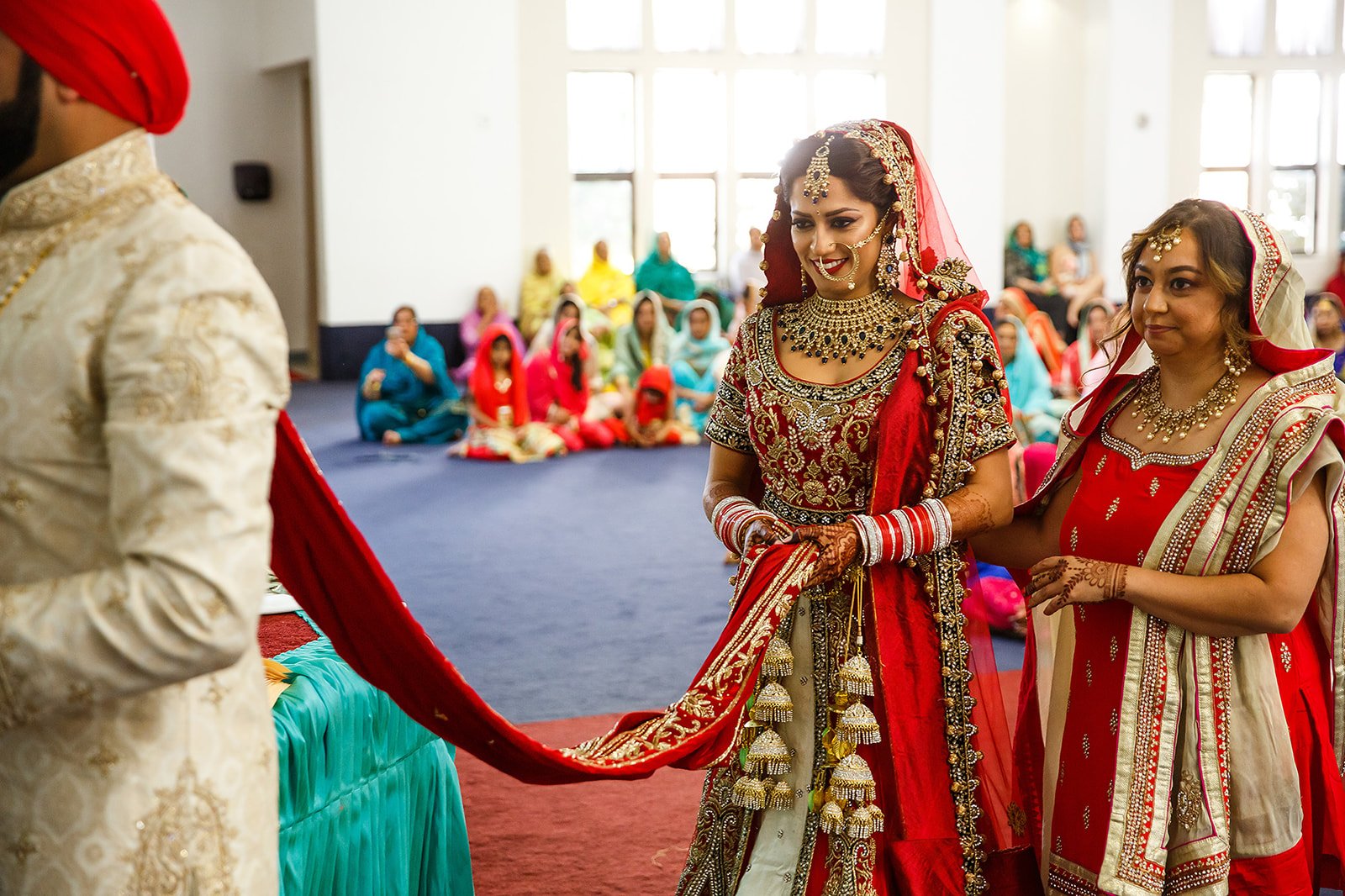
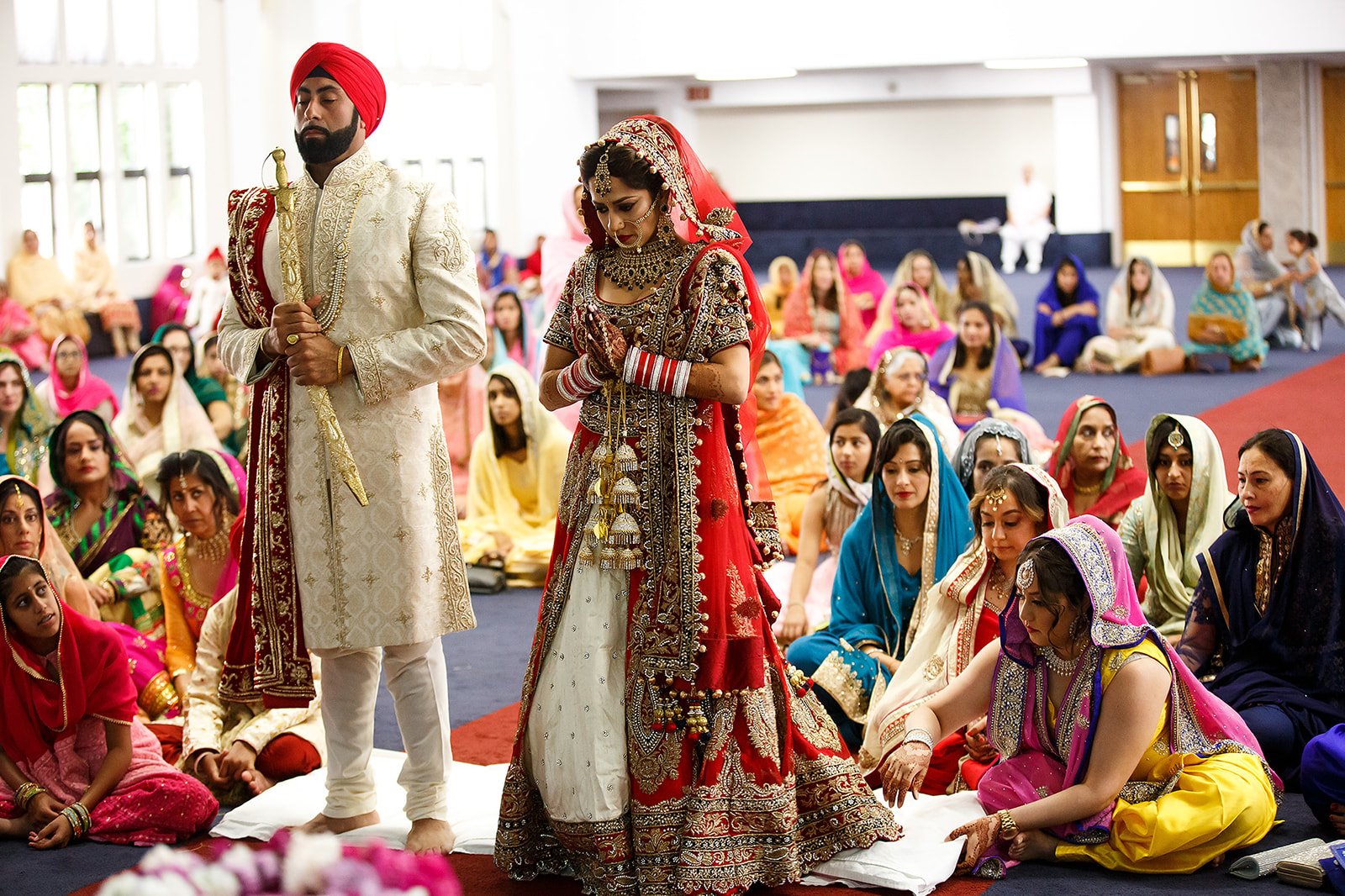
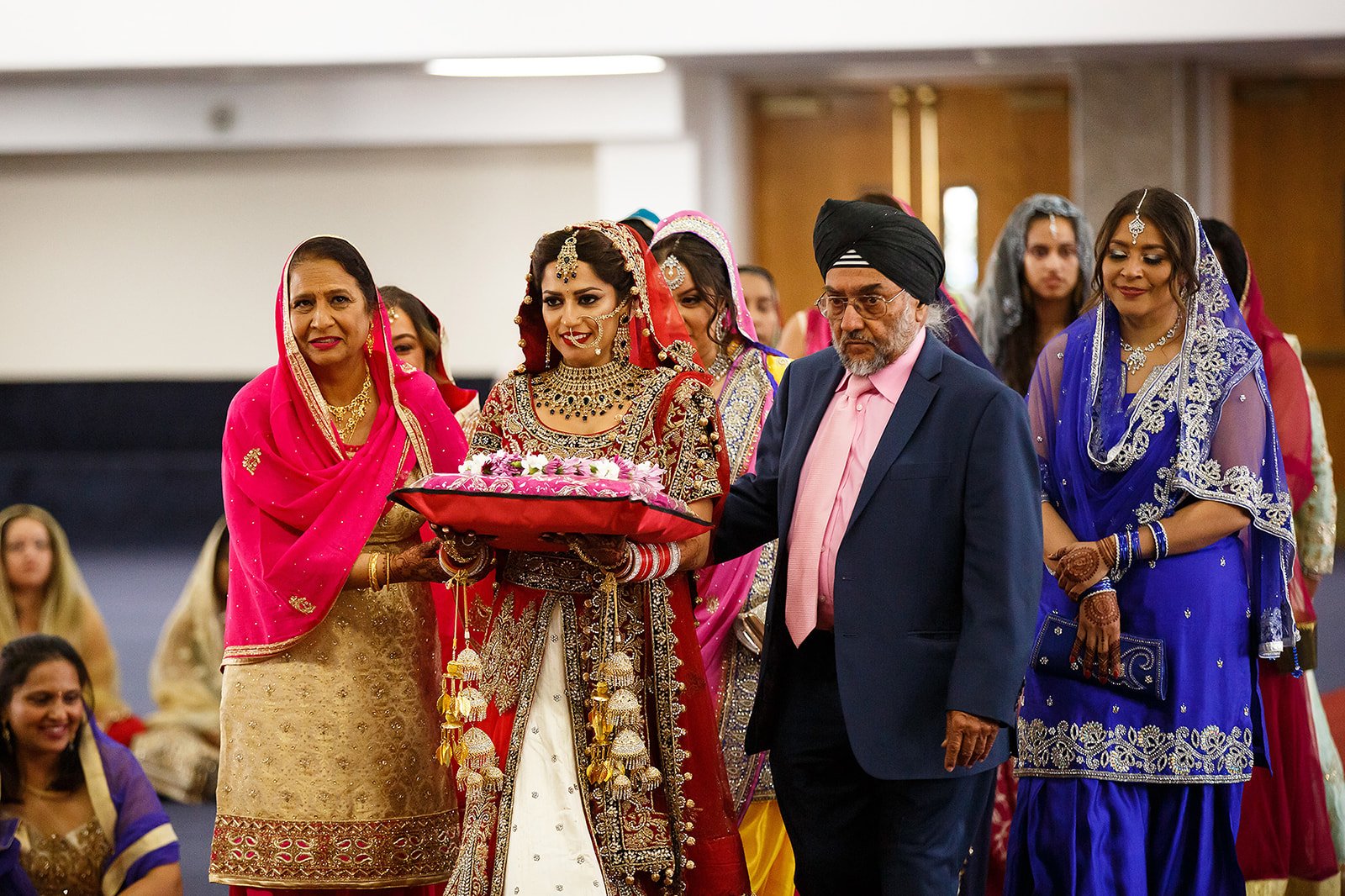
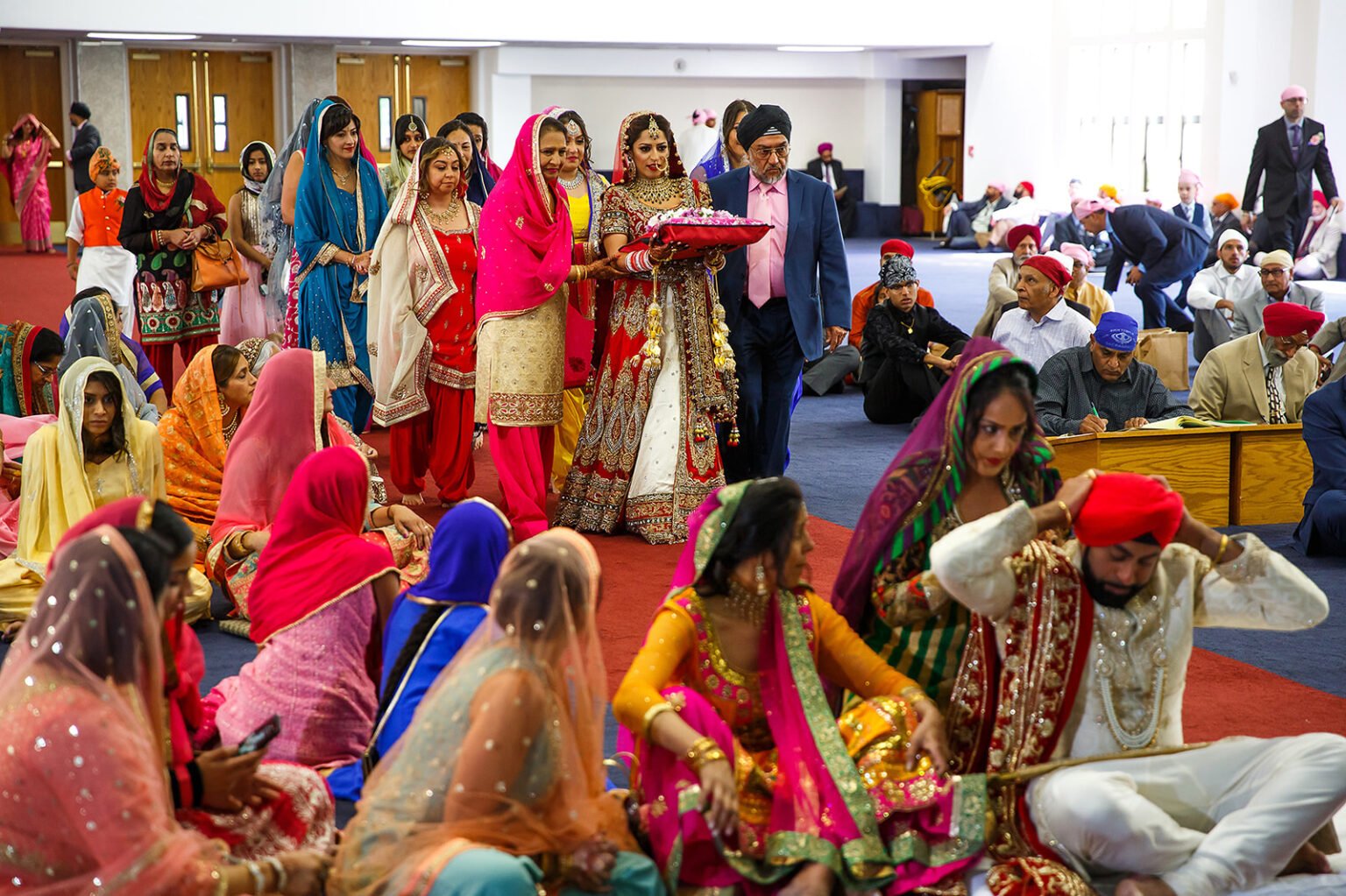
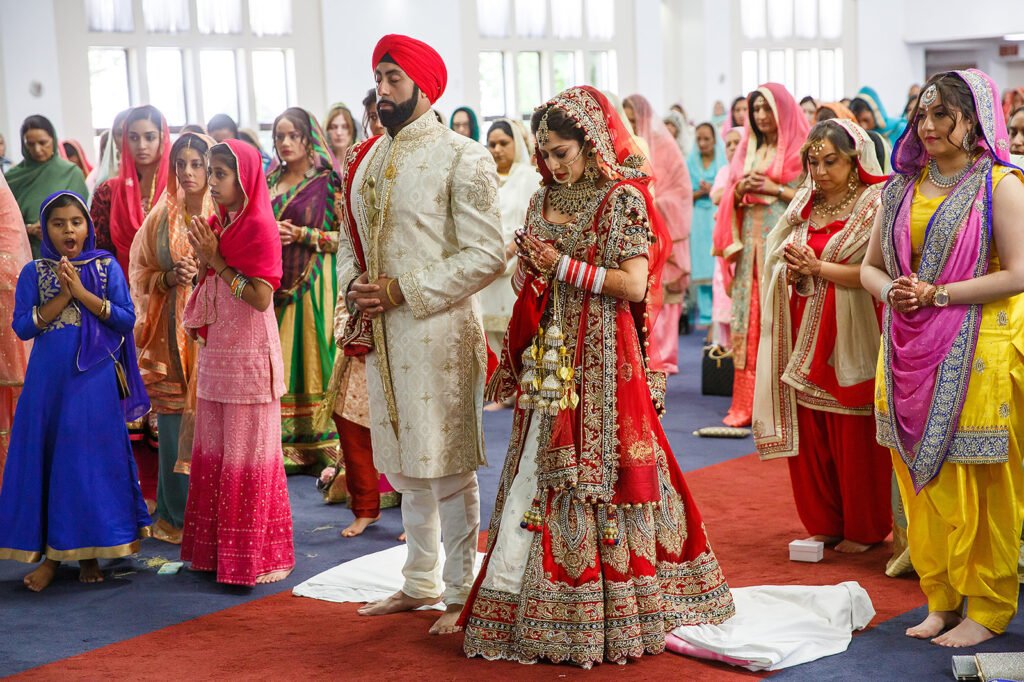
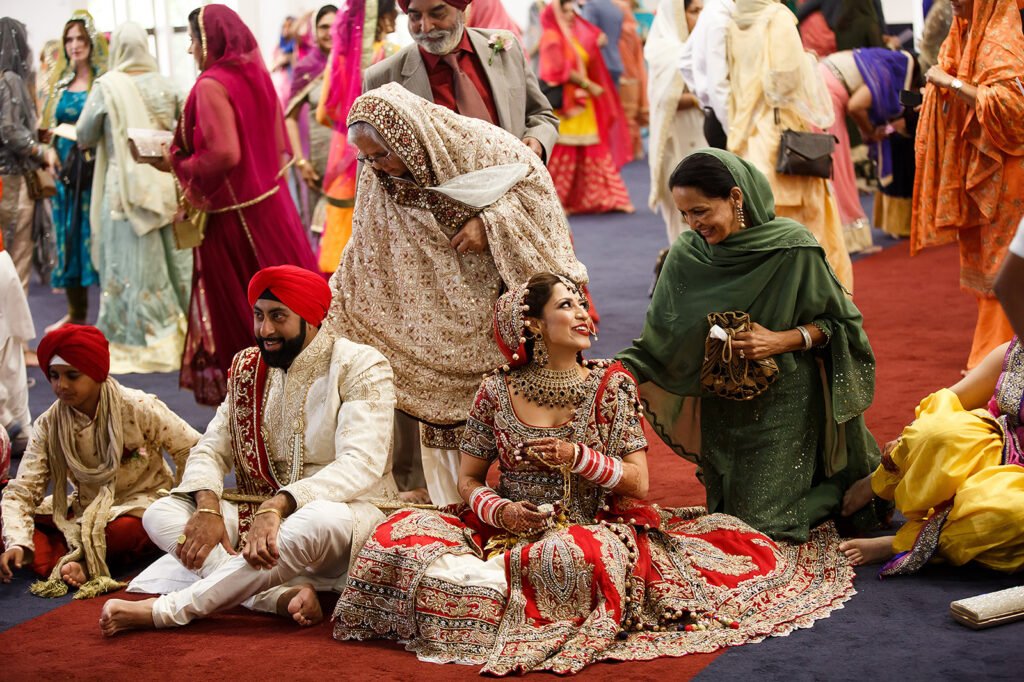
Ceremony, family and fleeting reactions
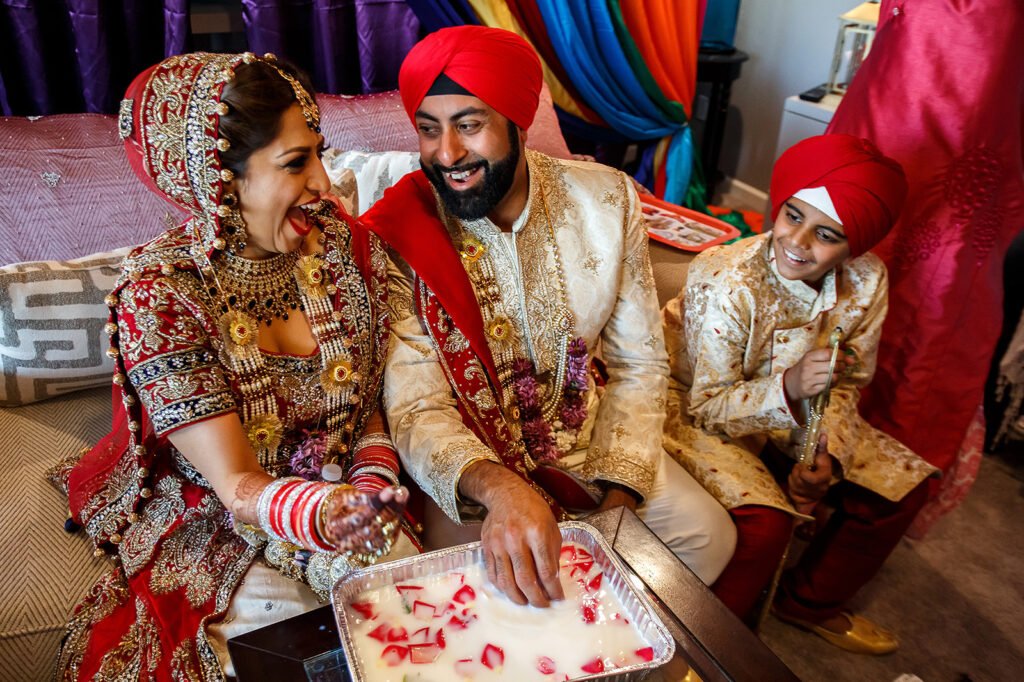
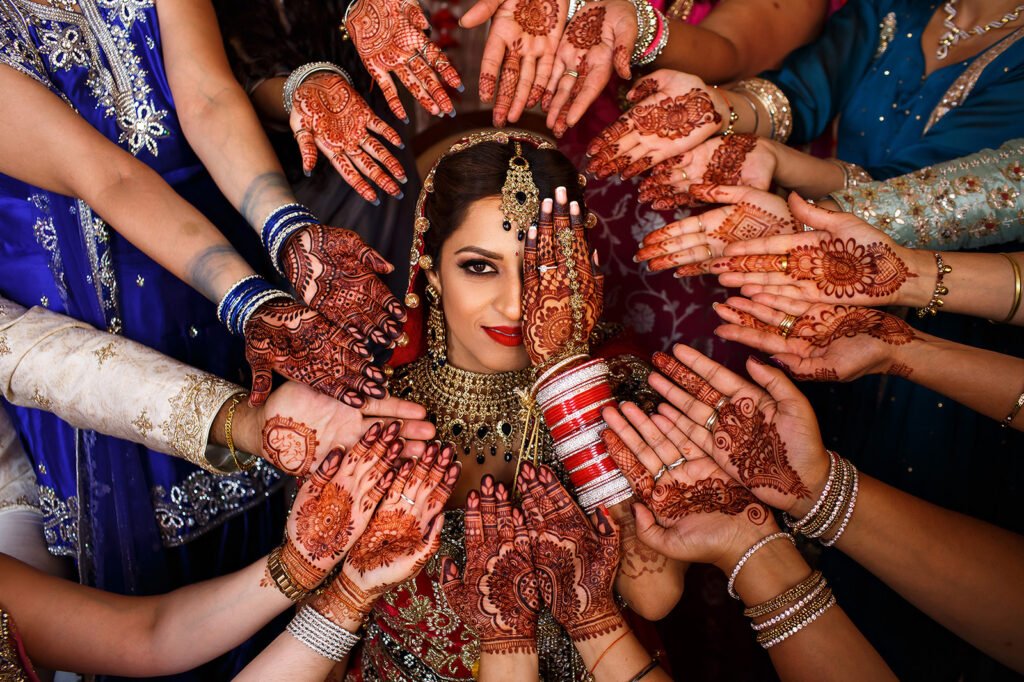
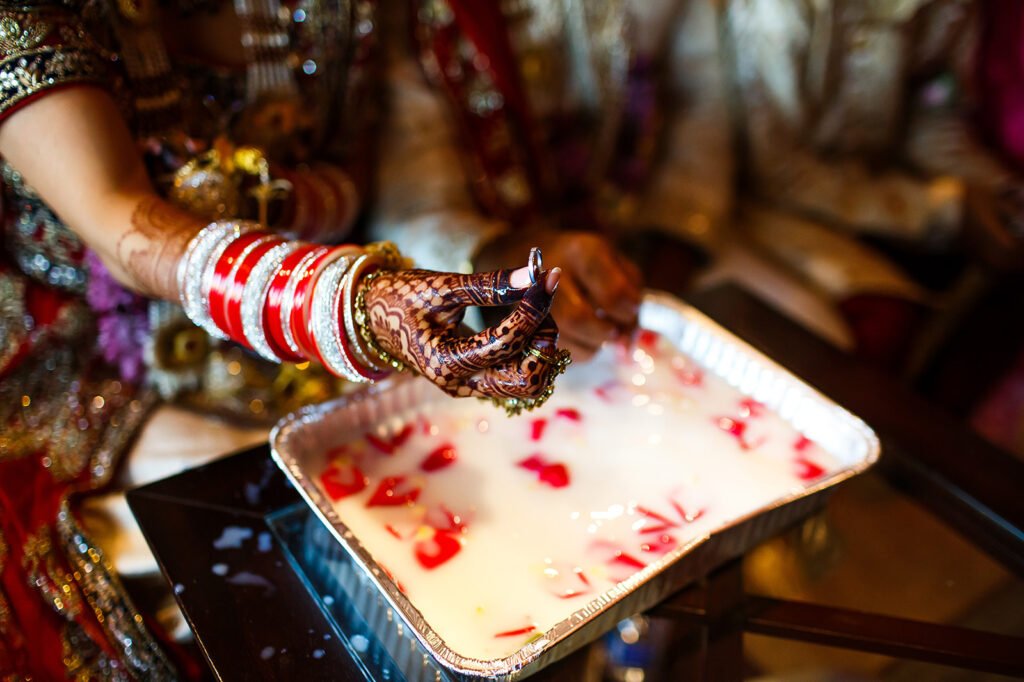
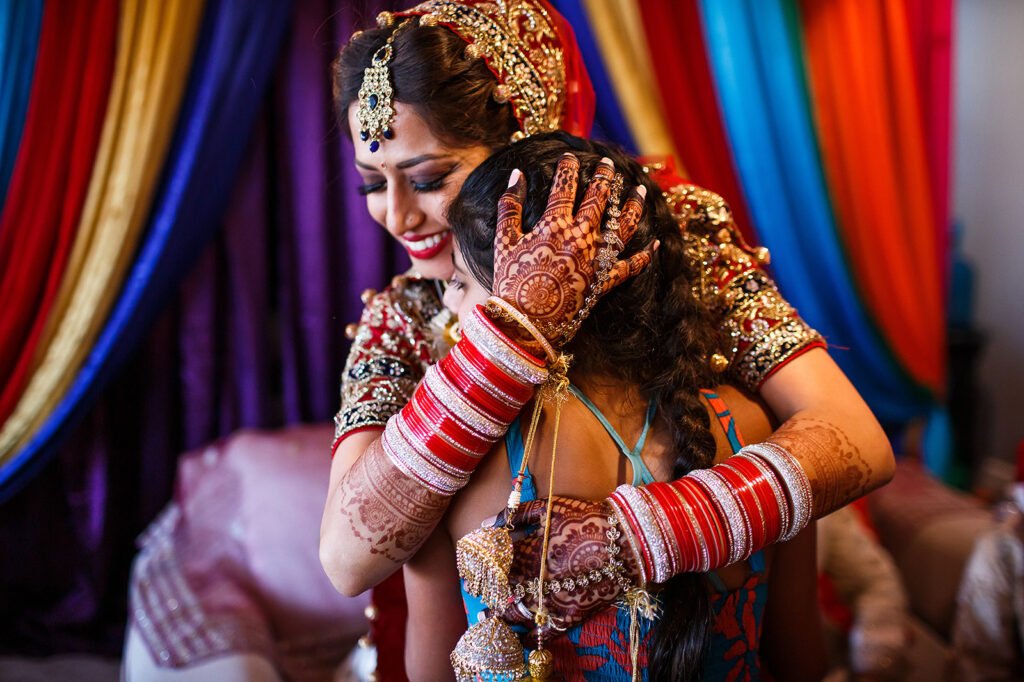
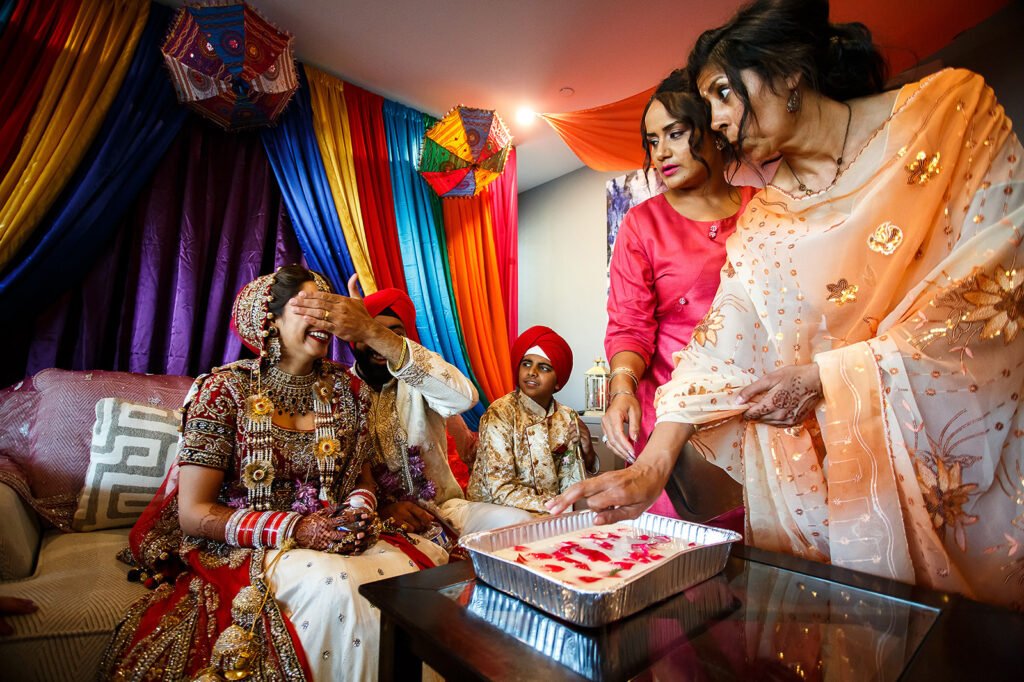
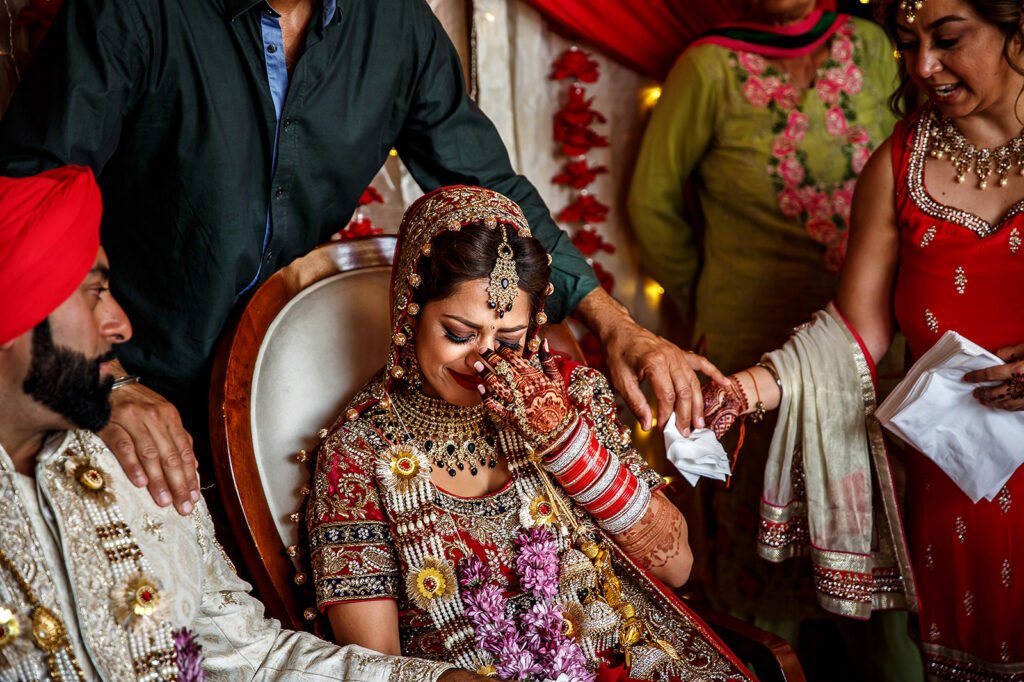
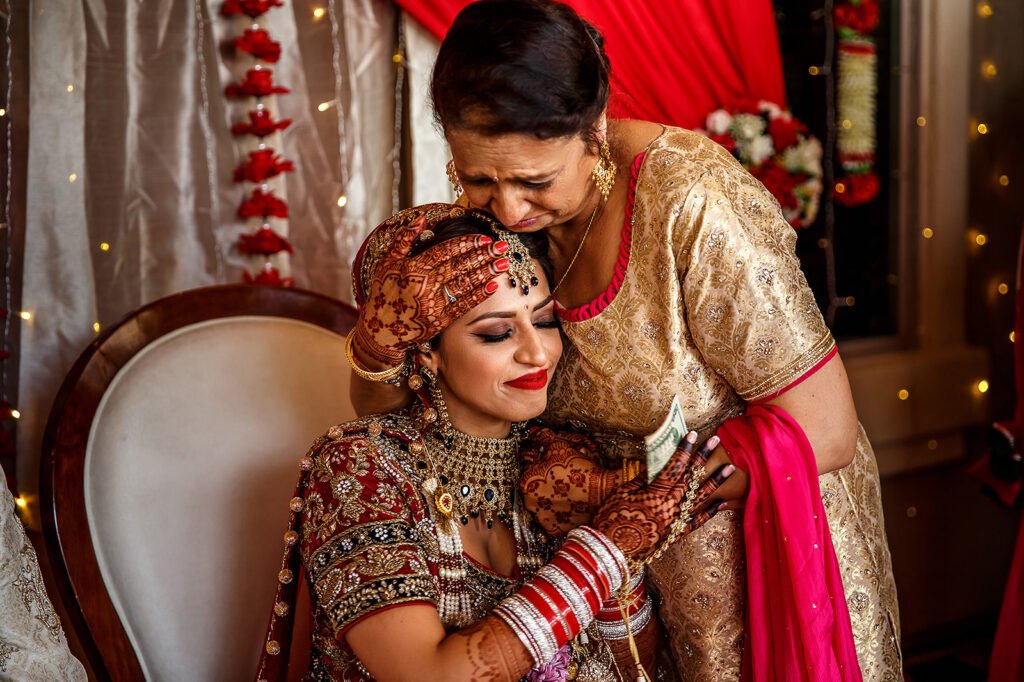
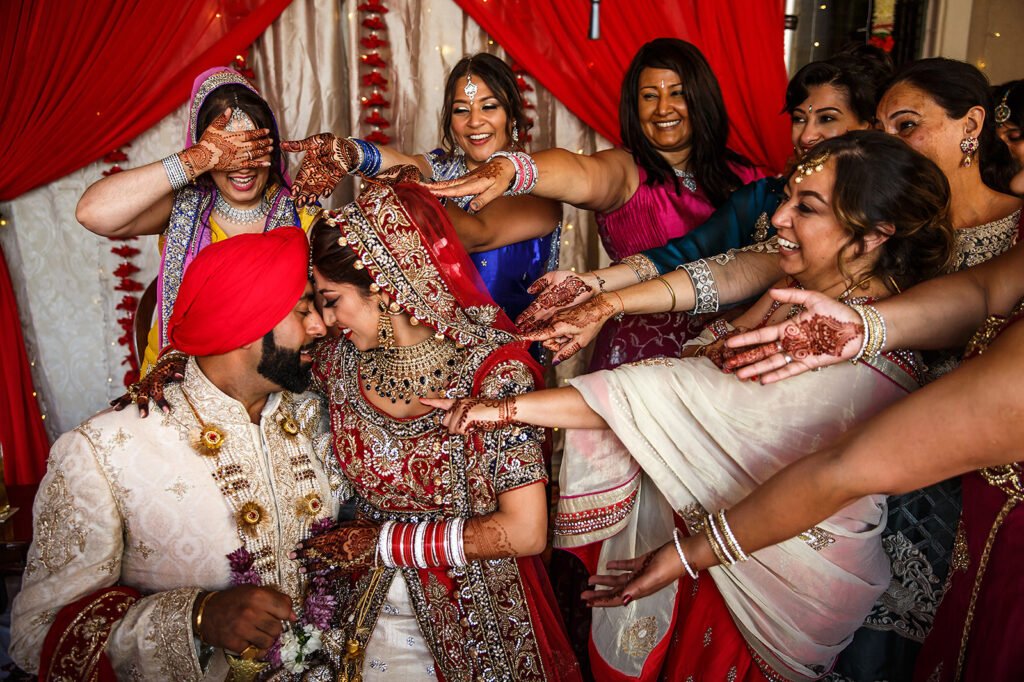
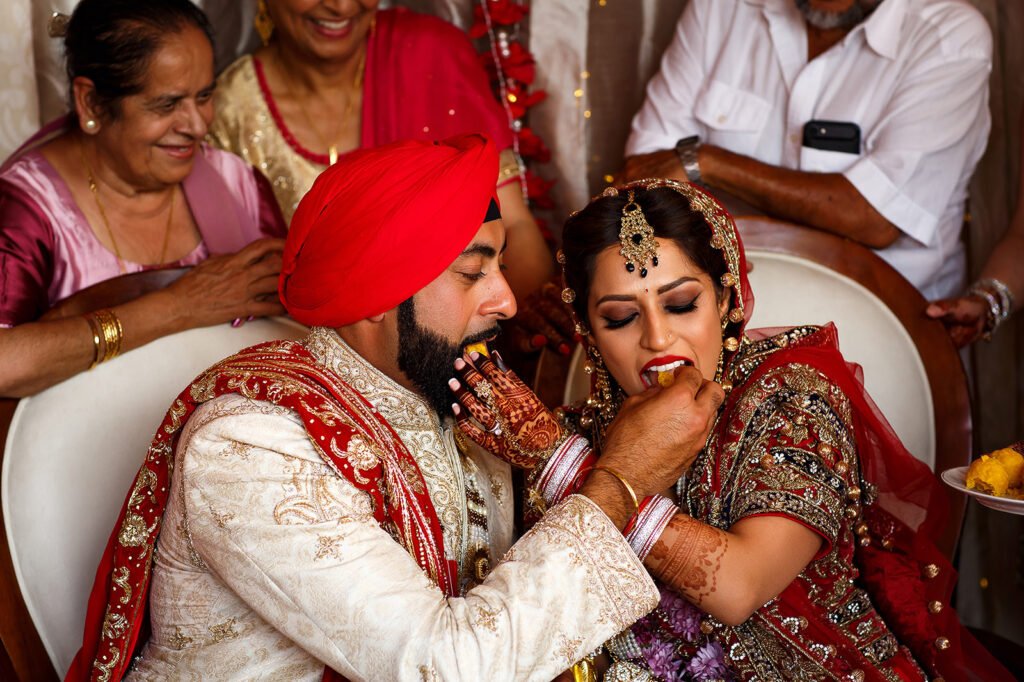
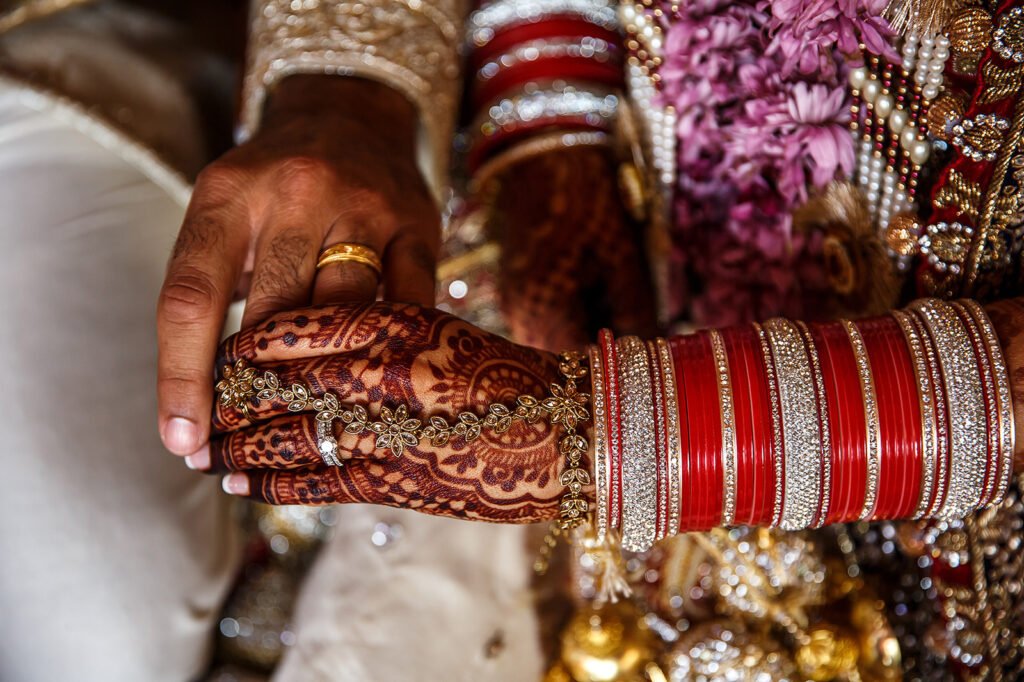
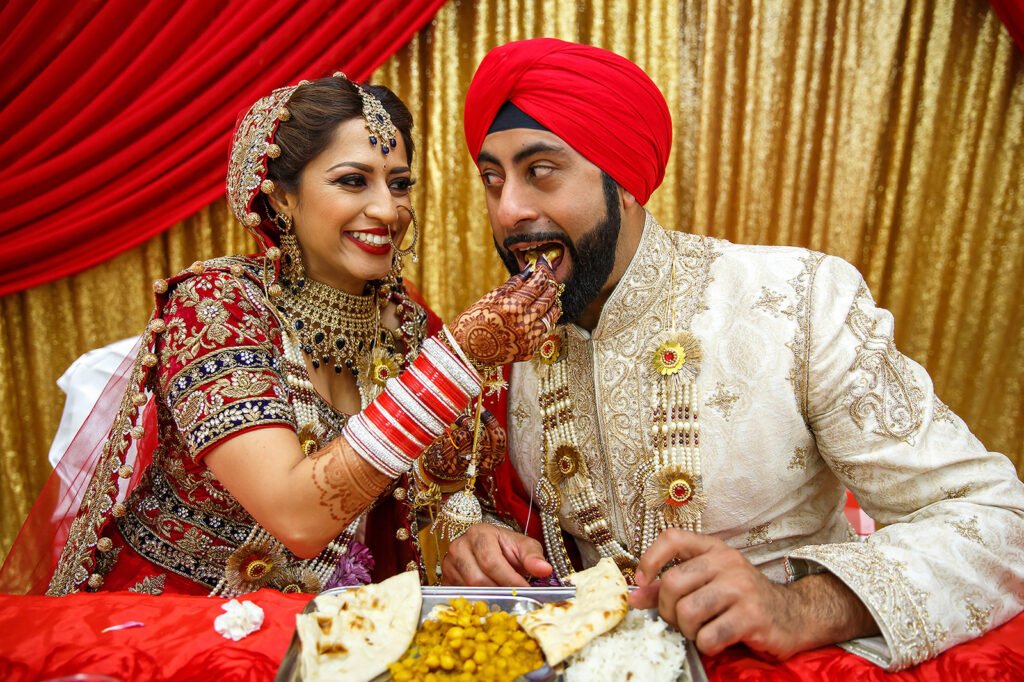
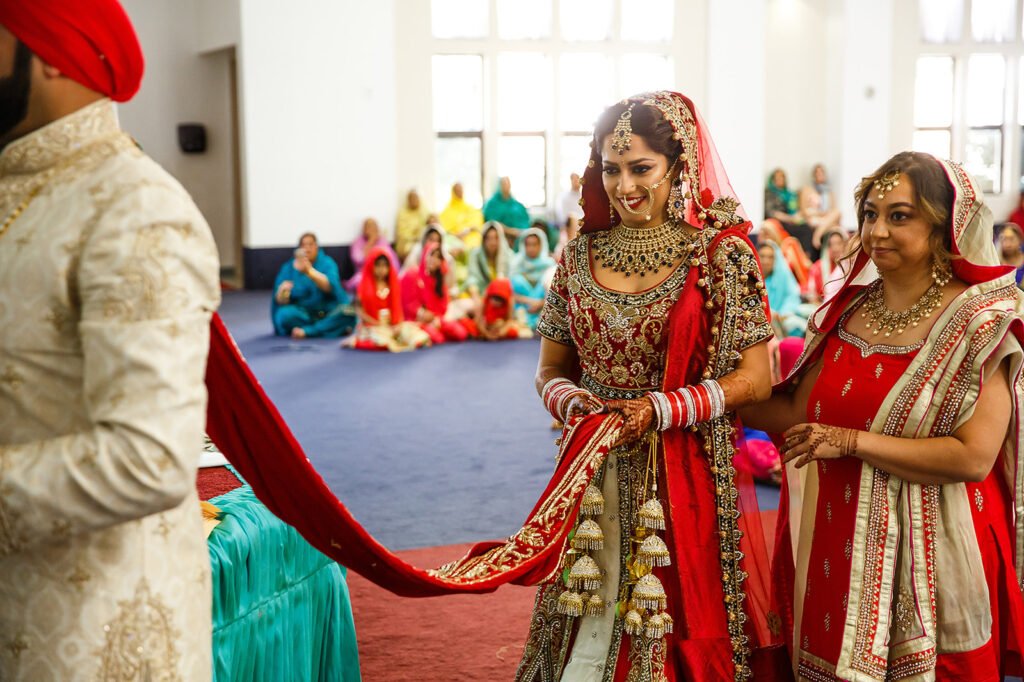
Every photograph from the original page has been retained. This sequence shows why complete coverage matters: the story lives in the quiet transitions and family responses as much as the formal portraits.
Sikh–Hindu fusion wedding planning FAQs
How early should we book photography for a combined Sikh and Hindu wedding?
Once your dates and main venues are confirmed, contact preferred teams. Peak Saturdays and multi-day celebrations are often reserved 9–18 months ahead, although shorter-notice dates may still be available.
Do we need one photographer or two?
One may suit a compact timeline. Two are useful when both partners prepare in different places, events overlap, the guest count is large or reactions need simultaneous coverage.
Can photographs be taken during an Anand Karaj?
Photography is commonly permitted, subject to the individual Gurdwara’s current rules. The team should work quietly, dress appropriately and avoid disrupting the ceremony or congregation.
Can you photograph Hindu ceremonies at a Mandir or venue?
Yes. We confirm the chosen rituals, venue permissions, fire arrangements and Mandap lighting before planning camera positions.
How do we keep both traditions balanced in the final gallery?
Plan each ceremony separately, agree family priorities in advance and use one master schedule. The final edit can then connect the celebrations without making either tradition feel secondary.
How much time should we allow for family photographs?
Allow roughly 30–60 minutes depending on the number and size of groups. A written list and one organiser from each family make the process much faster.
Can you cover Mehndi, Jago, Haldi and reception events?
Yes. Coverage can be designed across several days so the final gallery tells one coherent story rather than a collection of disconnected events.
Do you provide photography and wedding films together?
Yes. A coordinated Ikonic Media photo and film team can plan positions, audio, portraits and lighting together.
Do you travel outside Birmingham?
Yes. We cover the West Midlands, Warwickshire, Coventry, London, the wider UK and selected destination weddings.
What should we send before requesting a quote?
Send the dates, both ceremony traditions, venue addresses, approximate timings, guest count, events on other days and whether you want photography, film or both.
Two traditions. Two families. One celebration that should feel connected.
Tell us your date, ceremonies and venues. We will recommend a realistic team and joined-up coverage plan for your Sikh–Hindu or multicultural wedding.
Book your free consultationCall 07712 421218