
Gujarati Wedding Traditions
Mandvo Ceremony: Gujarati Wedding Meaning, Rituals & Guide
✦ Quick Answer
Quick answer: A Mandvo ceremony is a sacred Gujarati pre-wedding ritual that blesses the space where the marriage celebrations will take place. Often connected with the Mandap Muhurat, it usually includes prayers to Lord Ganesh, family blessings and the placing of the Manek Stambh to symbolise a strong, auspicious beginning.
Written by Diven Laxman, founder and lead photographer at Ikonic Media – Wedding Photography & Film. Diven has photographed and filmed Asian weddings across Birmingham, the West Midlands and the UK for more than 20 years. Updated 18 August 2026.
The Mandvo is one of the most intimate parts of a Gujarati wedding. It may be smaller than the main ceremony, but it is full of family emotion, symbolism and meaningful moments. This guide explains what happens, what the key items mean, how modern UK families adapt the tradition and how to plan the photography without interrupting the prayers.
Important: Gujarati wedding customs can vary between families, communities and priests. Use this guide as a practical overview, then confirm the exact order, items and muhurat with your priest and family elders.
Mandvo ceremony at a glance
What is the Mandvo ceremony?
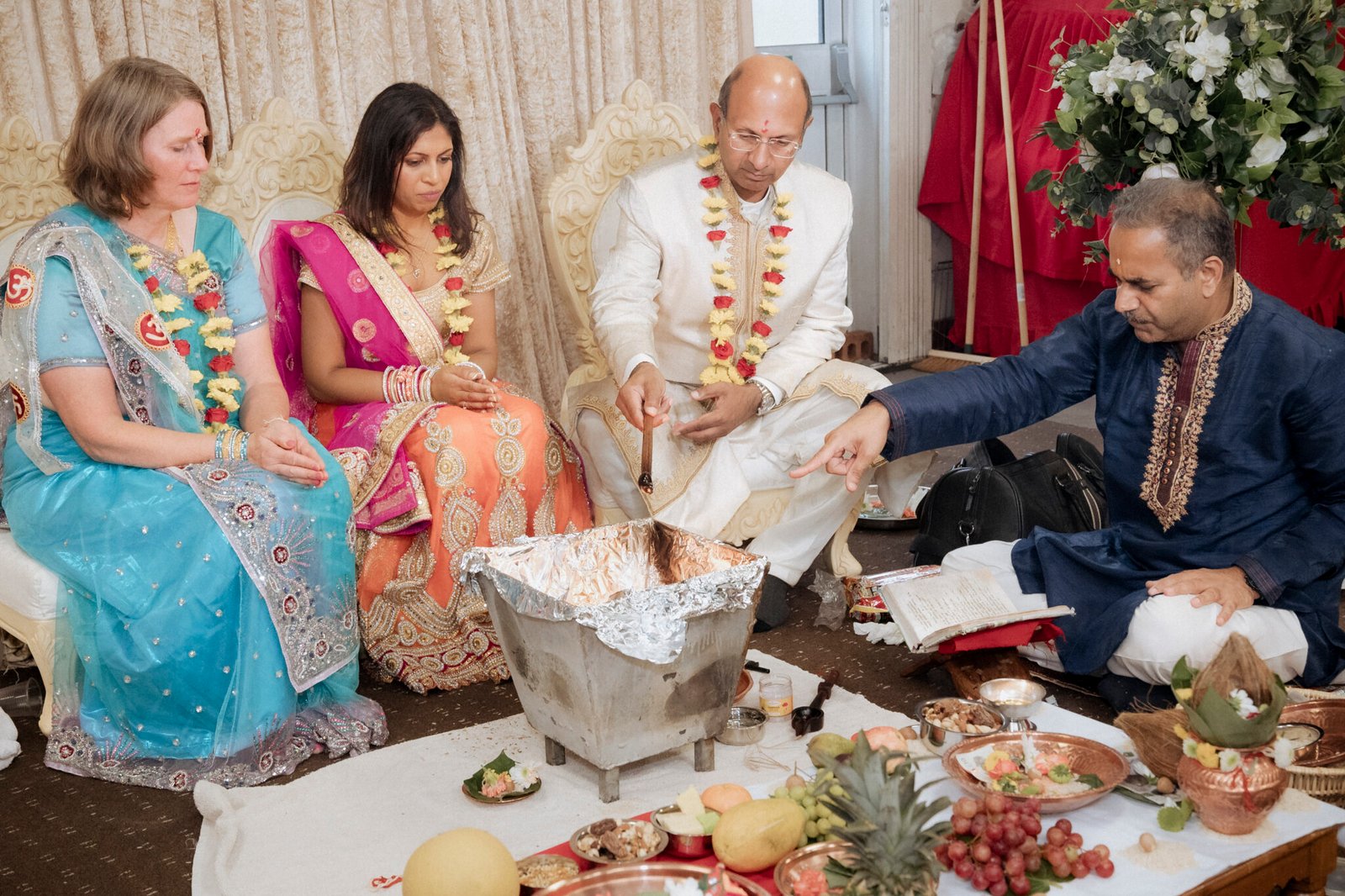
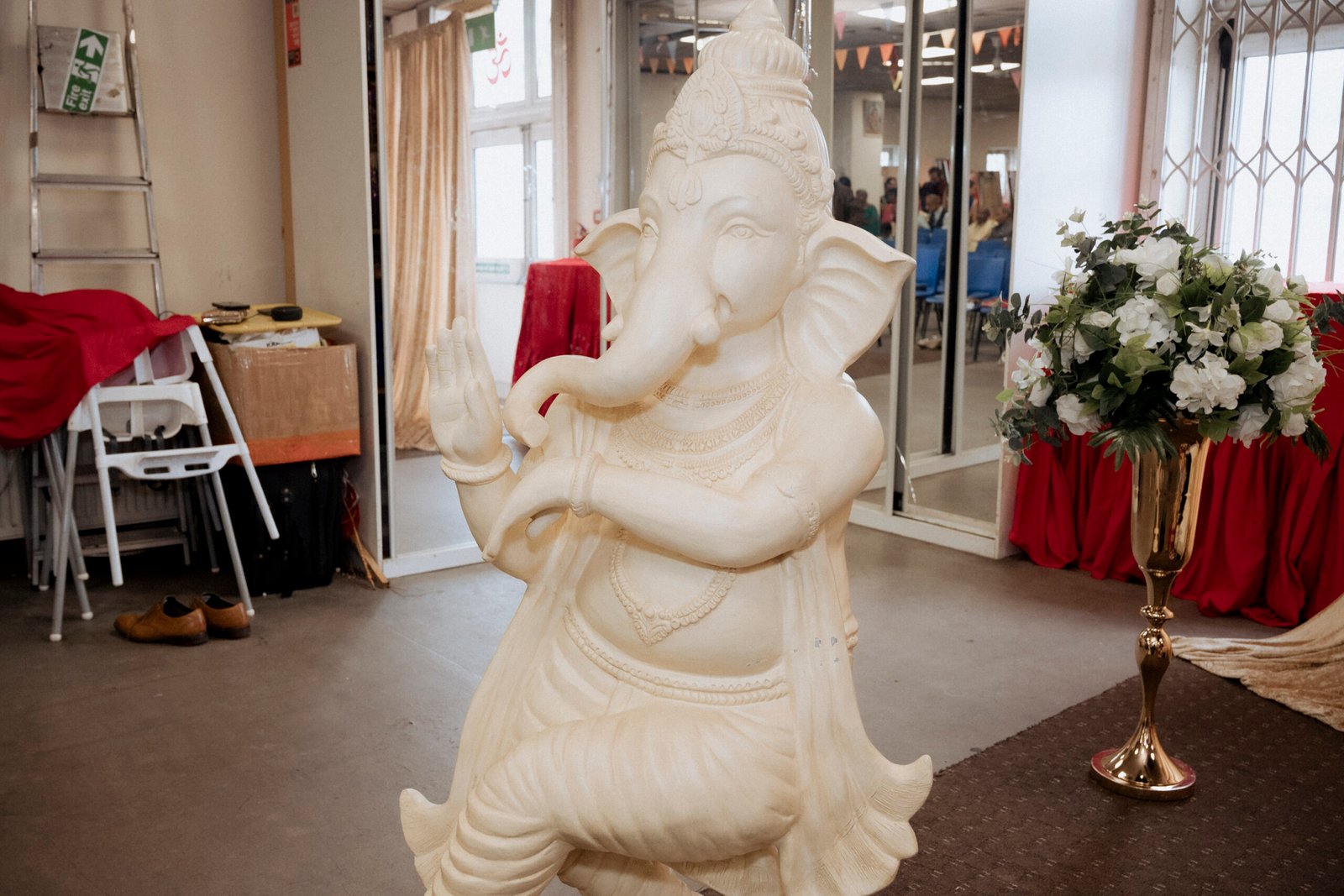
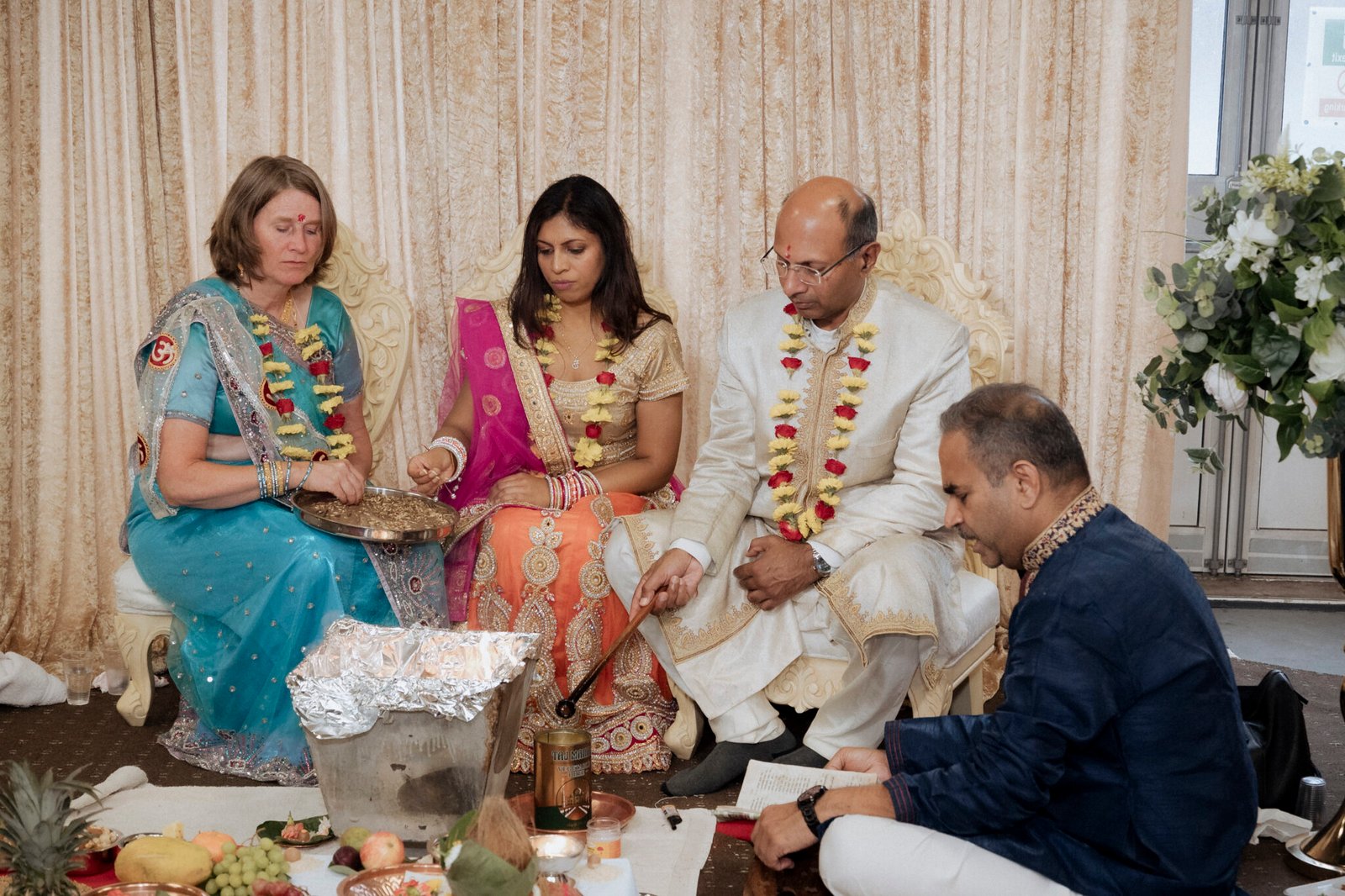
The Mandvo ceremony marks the spiritual beginning of a Gujarati wedding. The family asks for divine blessings, honours Mother Earth and prepares the sacred setting for the wedding celebrations. Lord Ganesh is commonly invoked as the remover of obstacles, with prayers for a smooth ceremony and a happy married life.
One of the best-known elements is the Manek Stambh, a decorated wooden post or symbolic pillar associated with strength, stability and the foundation of the new marriage. Traditionally it may be placed in the earth near the mandap structure. In a modern home, hotel or ballroom, families may place it in a decorated pot filled with soil.
This is why Mandvo is more than décor or a photo opportunity. It is a family ritual that connects the couple’s future with their faith, heritage and the blessings of the generations around them.
Mandvo, Mandap Muhurat and Manek Stambh: what is the difference?
- Mandvo: the wider Gujarati pre-wedding ceremony and family gathering.
- Mandap Muhurat: the auspicious blessing connected with preparing or establishing the wedding mandap.
- Manek Stambh: the symbolic post or pillar placed during the ritual.
In everyday conversation, families may use “Mandvo” and “Mandap Muhurat” to describe the same event. Others treat them as connected parts of a longer sequence. There is no need to force every family into one definition—the priest and elders should guide the version followed in your home.
Typical Mandvo ceremony steps
The precise order varies, but a Mandvo or Mandap Muhurat commonly includes the following stages:
Preparing the sacred space. The family cleans and decorates the ceremony area with flowers, fabrics, rangoli or traditional items.
Ganesh puja. Prayers are offered to Lord Ganesh for an auspicious beginning and the removal of obstacles.
Sankalp and family participation. The priest guides the family through the intention of the ceremony, mantras and offerings.
Blessing Mother Earth. The ritual acknowledges the earth before the mandap or symbolic wedding space is established.
Placing the Manek Stambh. The decorated post is installed in the ground or a pot of soil according to the family’s custom.
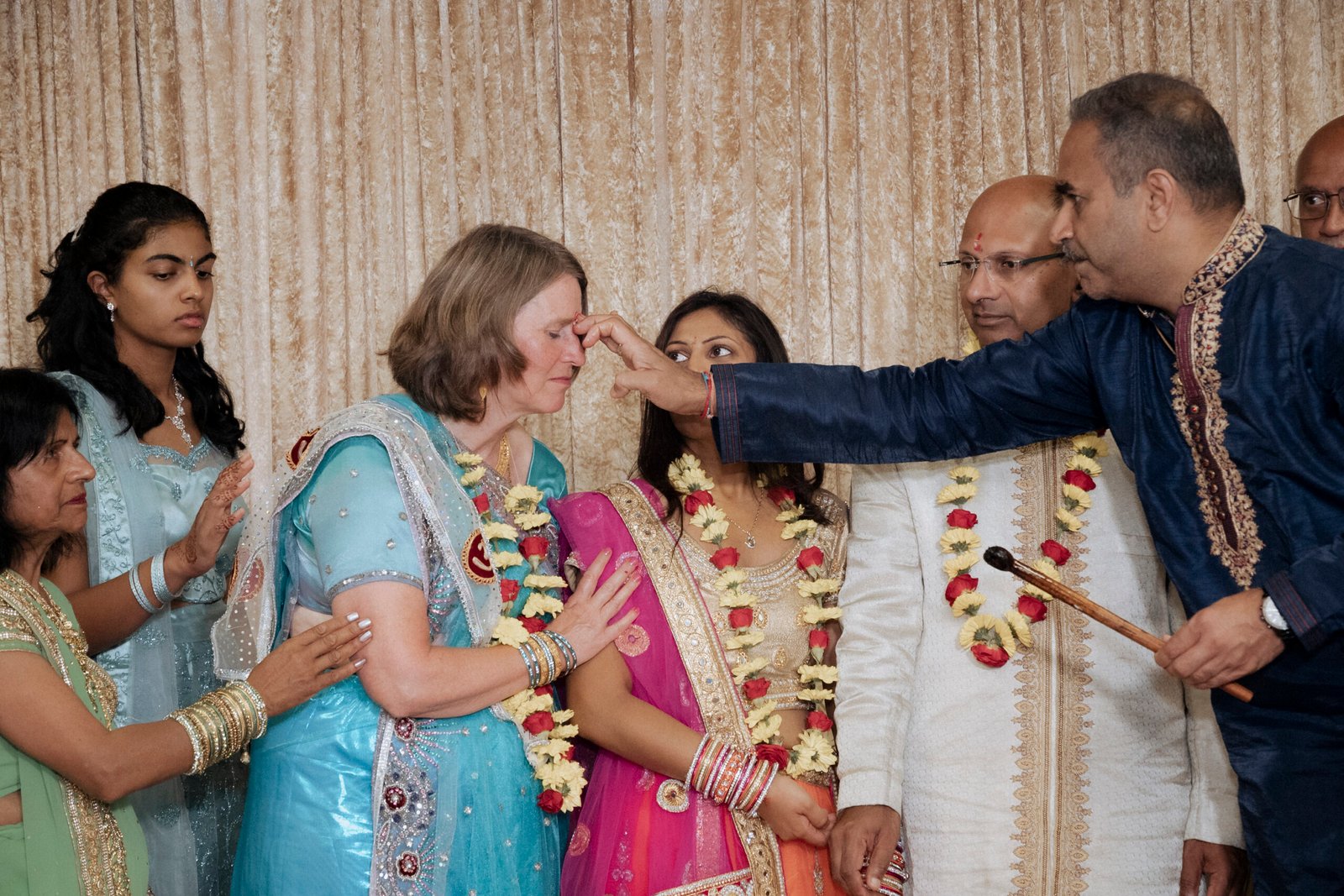
Applying sacred materials. Turmeric, kumkum, rice, flowers, water, coconut or other items may be used as directed by the priest.
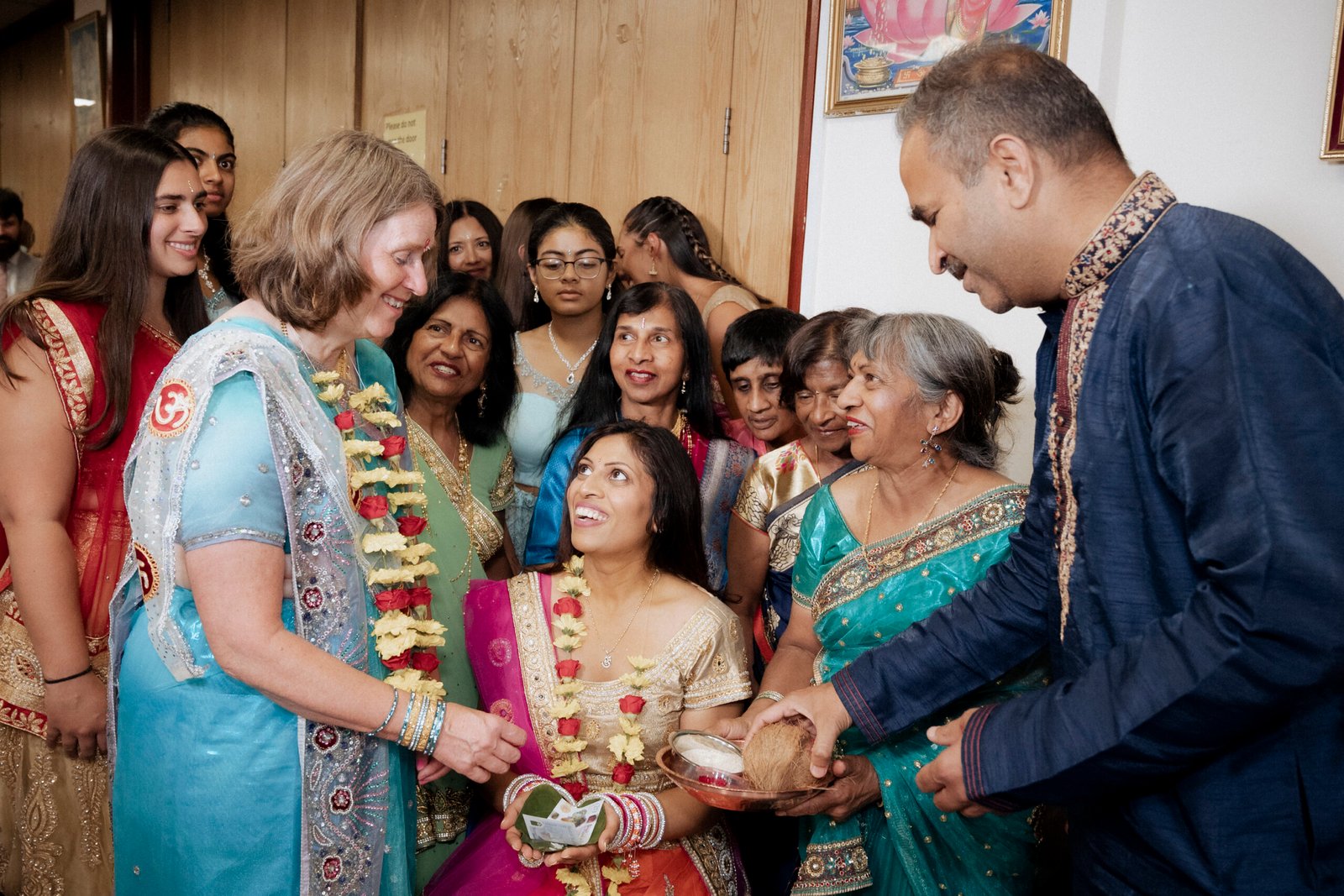
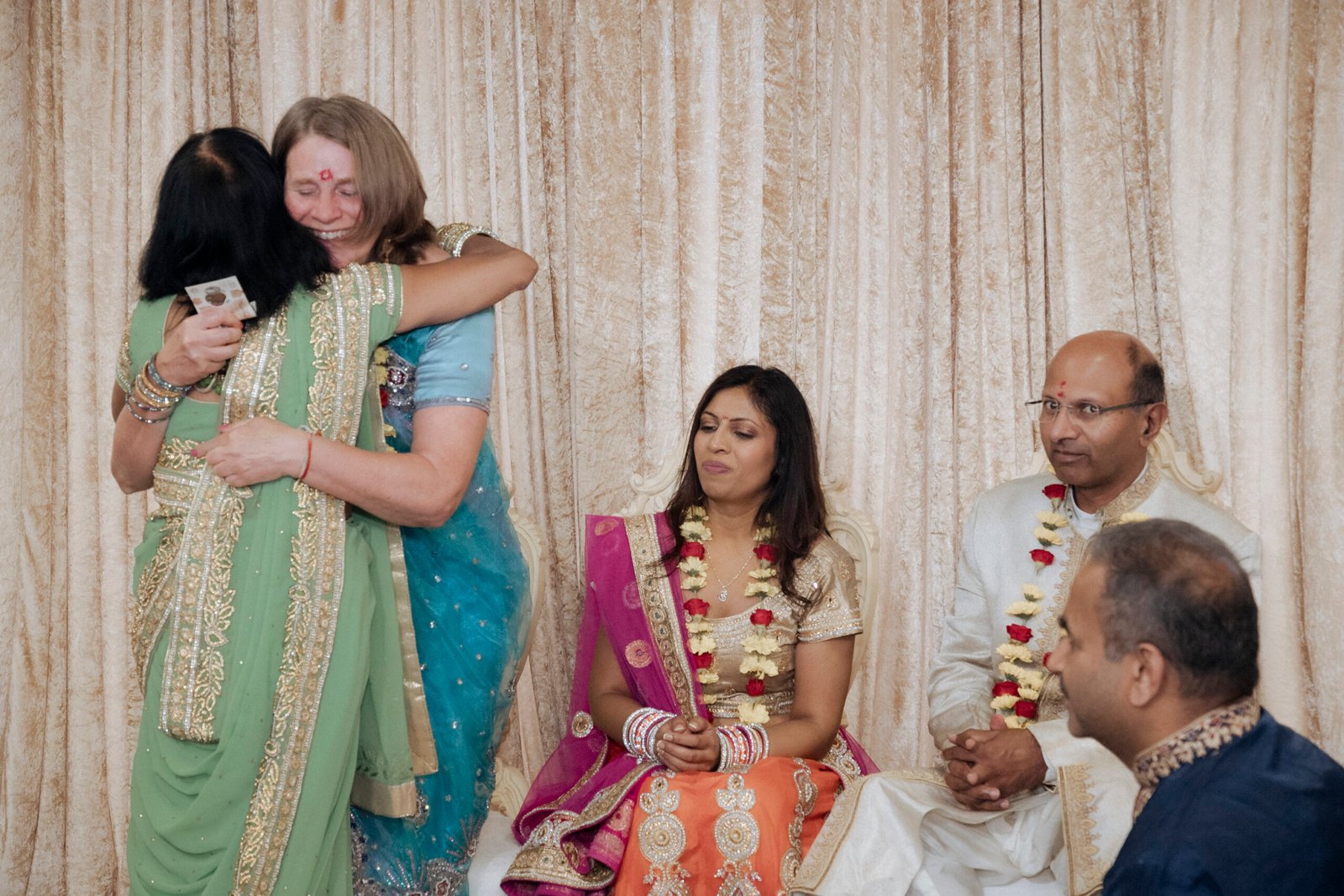
Family blessings and prasad. Relatives bless the couple and family, followed by joyful interaction, food or further celebrations.
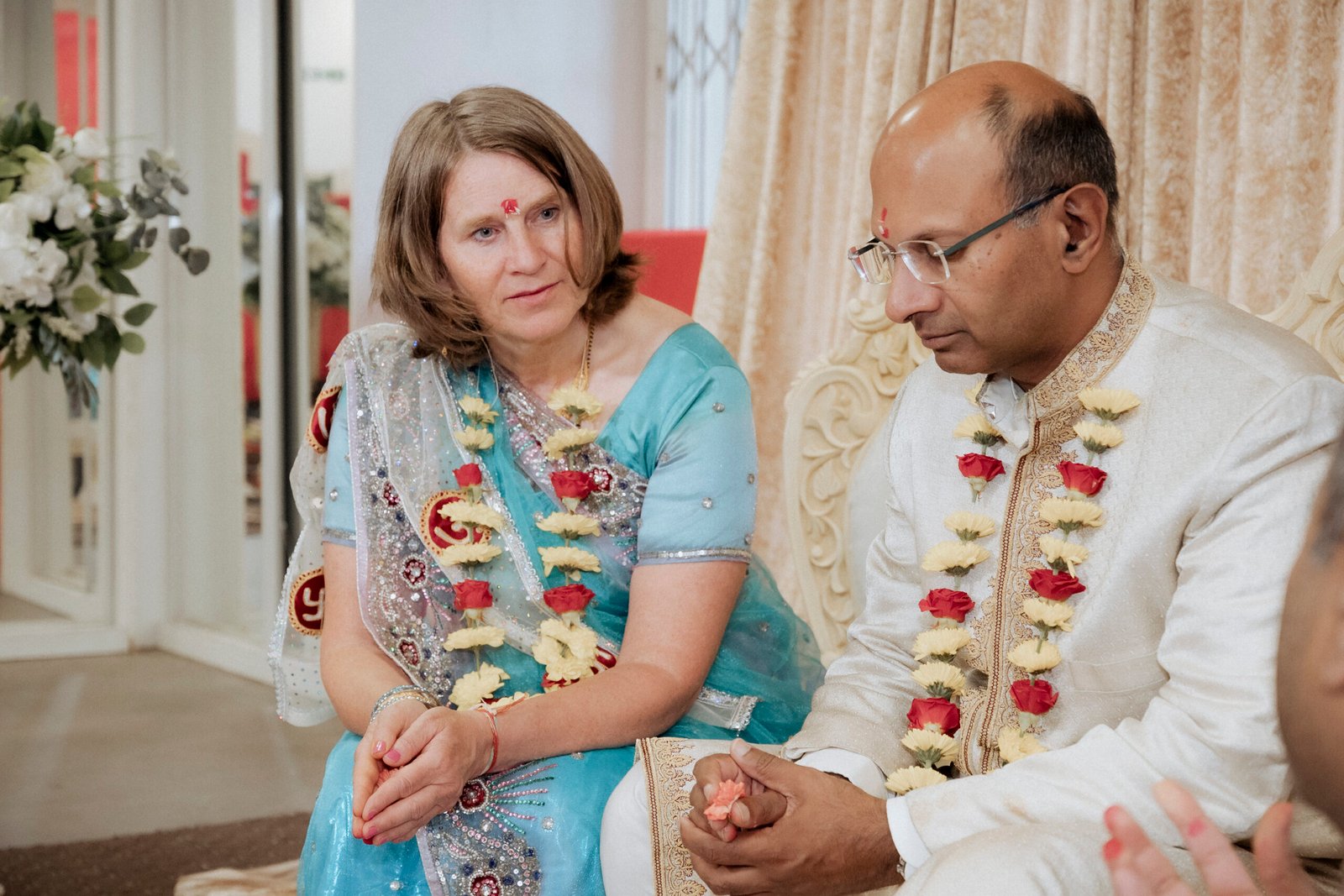
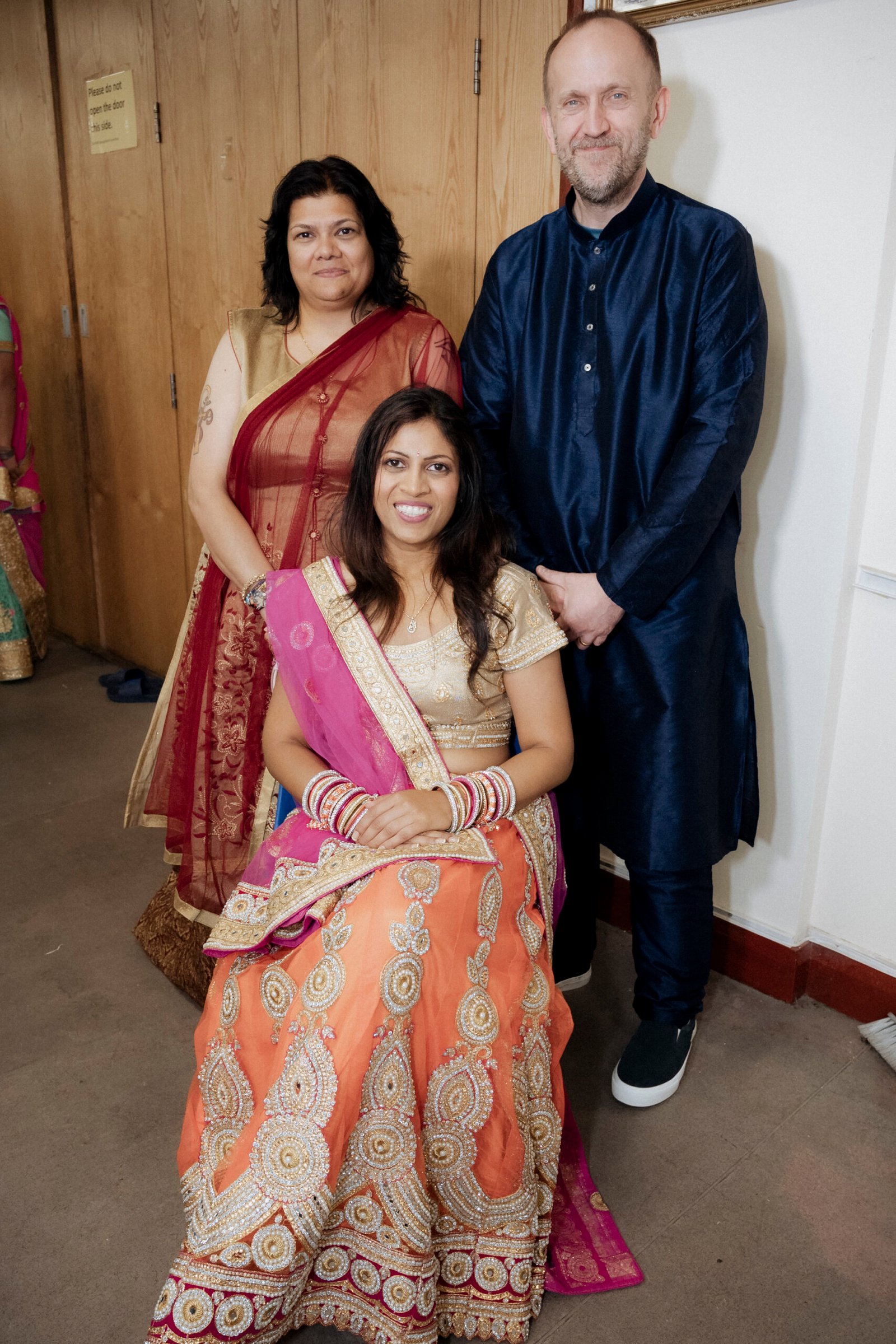
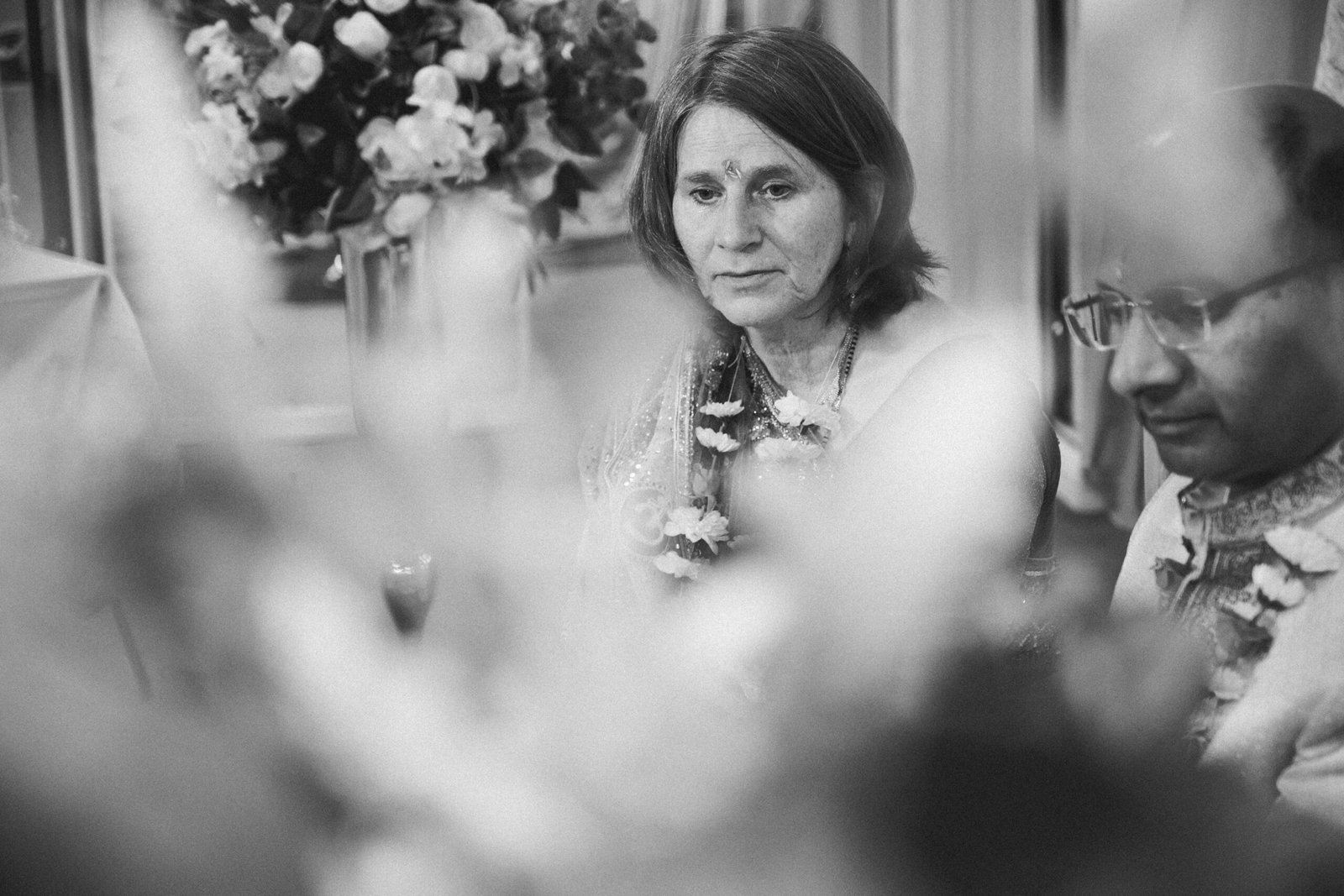
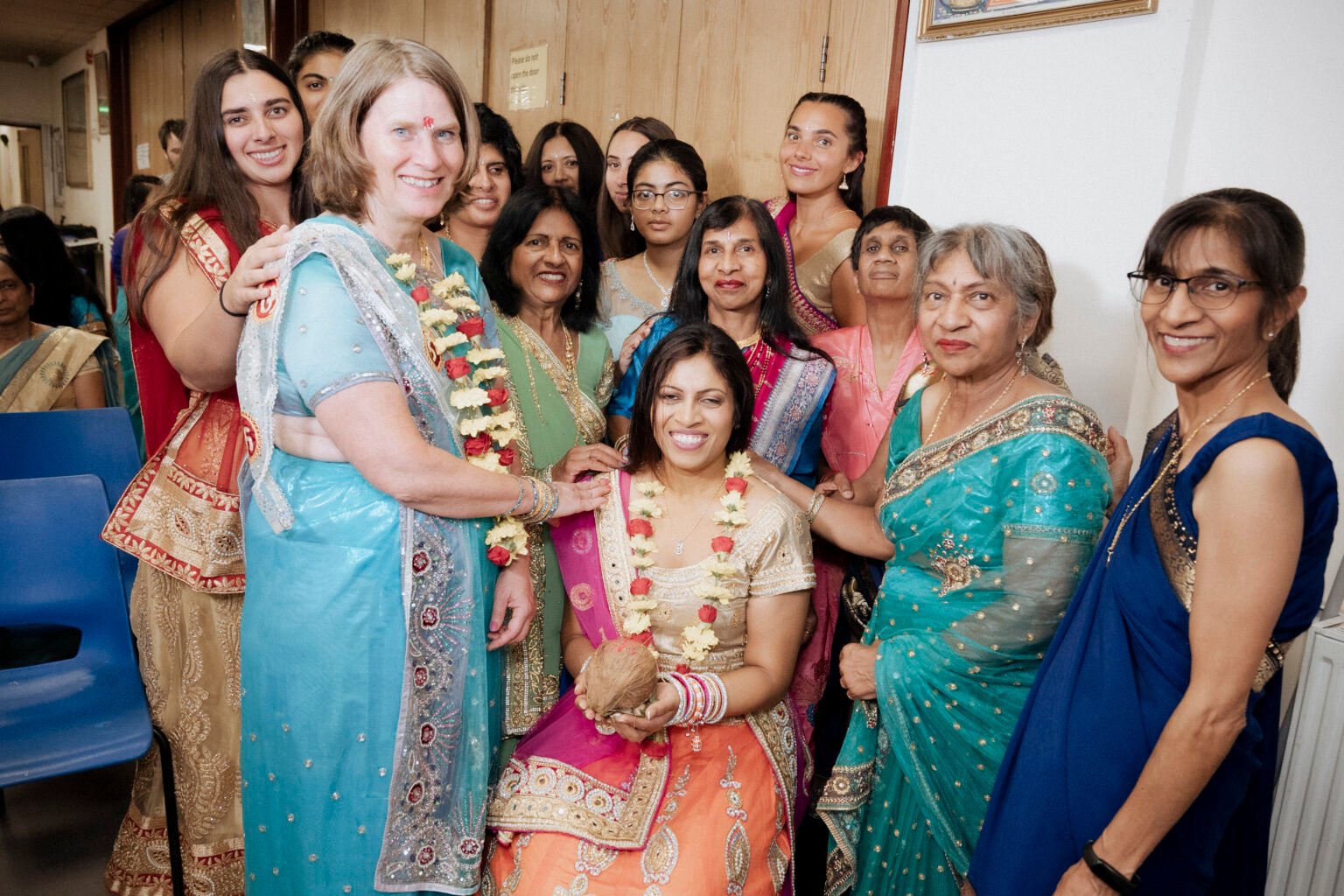
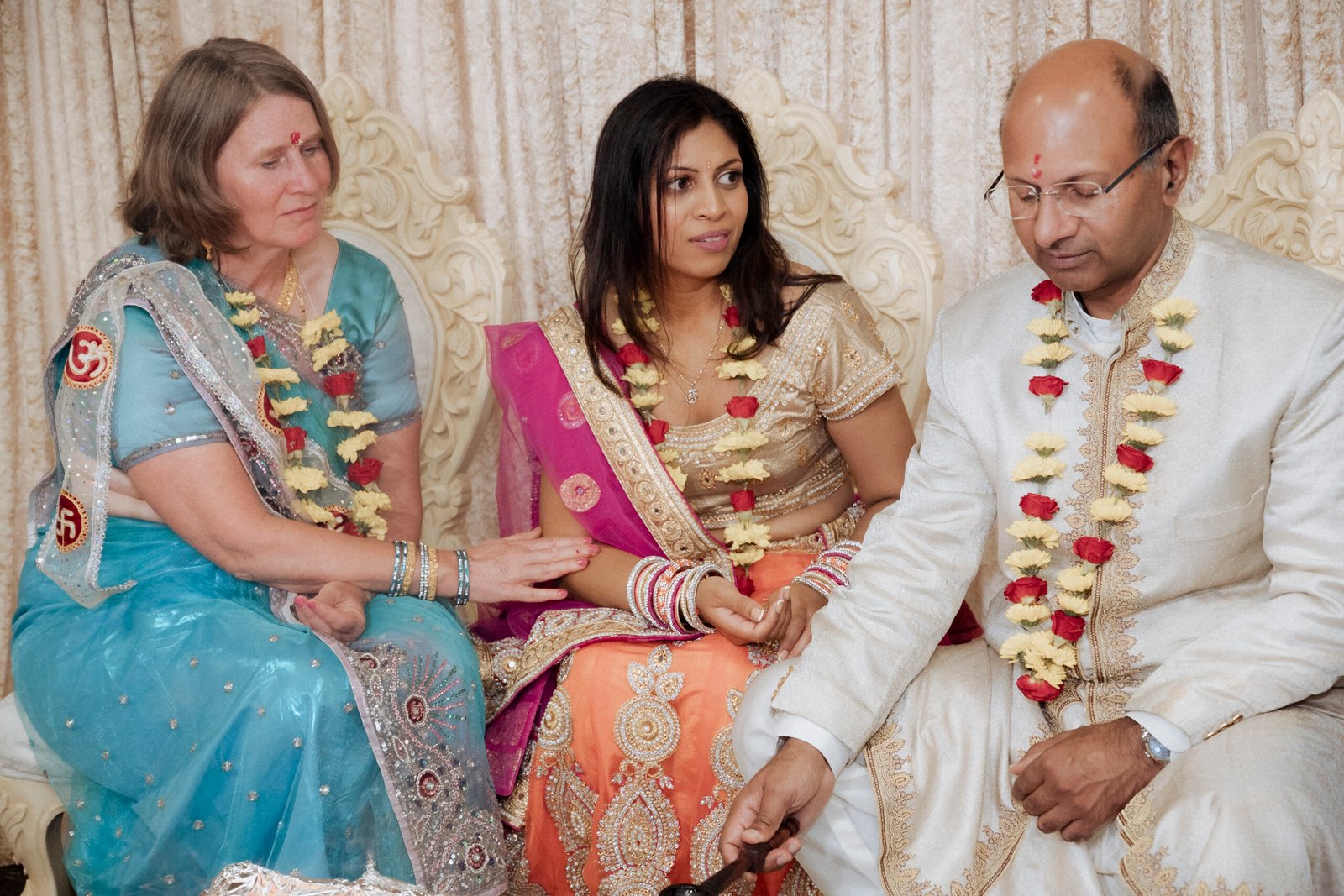
From a photographer’s point of view, the emotional story is often happening around the ritual as much as within it: a parent concentrating on the priest’s words, grandparents watching proudly, siblings laughing between prayers and relatives helping one another with each item.
Meaning of the main Mandvo items
Your priest may request additional items or use them differently. Ask for the full ceremony list several days in advance and place everything together in labelled trays. That small preparation can prevent a long pause while relatives search the house for one missing item.
When and where does Mandvo take place?
Mandvo is commonly held one or two days before the Gujarati wedding ceremony. The exact muhurat is selected by the priest using the couple’s and families’ religious tradition. Bride and groom ceremonies may take place separately at their respective family homes, sometimes at the same time.
For UK weddings, we also see Mandvo held in:
- family gardens or marquees;
- community halls and Hindu temples;
- hotel function rooms;
- the wedding venue before the main celebration;
- destination wedding resorts where the whole itinerary is on one site.
If the venue does not allow digging, a decorated planter with soil can provide a practical setting for the Manek Stambh. Confirm venue rules for open flames, incense and floor coverings before the day.
How to plan a modern UK Mandvo ceremony
1.Build around the priest’s muhurat
Start with the ceremony time, then work backwards. Allow time for dressing, décor, family arrivals and photography before prayers begin. Avoid squeezing the ritual between two tightly timed events.
2.Give guests a simple explanation
For an intercultural wedding, a short printed guide or announcement can explain the purpose of Mandvo in English. Guests become more attentive when they understand the meaning behind the Manek Stambh, offerings and family roles.
3.Keep the ceremony area uncluttered
Leave a clear path around the priest and immediate family. This helps the ceremony flow, improves safety around lamps or offerings and allows respectful photography without people constantly stepping into the sacred space.
4.Think about light and sound
Window light is beautiful, but strong backlighting can leave faces dark. For film, reduce background music during the mantras and blessings so the natural voices and atmosphere can be recorded clearly.
5.Plan for two homes when needed
If the bride’s and groom’s Mandvo ceremonies happen simultaneously, one photographer cannot be in both places. A two-team plan gives both families equal coverage and creates a more complete story for the final gallery and wedding film.
Mandvo photography: the moments worth protecting
✦ The Photographer’s Perspective
After photographing Asian weddings for more than two decades, our biggest advice is simple: do not treat Mandvo like a shortened version of the main wedding. It has its own emotional rhythm.
— Diven Laxman, Ikonic Media
A thoughtful Mandvo photography plan should include:
- the untouched ceremony setup before guests enter;
- close-ups of the Manek Stambh and prepared ritual items;
- parents and grandparents taking part;
- the priest guiding each stage;
- the couple’s expressions and interactions;
- hands applying turmeric, kumkum or rice;
- wide photographs showing the whole family and setting;
- natural reactions between formal moments;
- a relaxed family group photograph after the prayers;
- clean audio of blessings and mantras when film coverage is included.
Ask your photo and film team to arrive around 30 minutes before the planned start. That gives them time to photograph the details, understand the layout and meet the key family members without rushing into the middle of the ceremony.
Explore our approach to Asian wedding photography in Birmingham, view our real wedding portfolio, or compare our wedding photography and film packages.
What should you wear to a Mandvo?
Families usually choose colourful Indian clothing that feels celebratory but practical for sitting, standing and taking part in rituals. Brides may wear a saree, lehenga or elegant salwar suit, while grooms often choose a kurta or coordinated traditional outfit. Close relatives can agree on a colour palette without making every outfit identical.
Choose clothing you can move in comfortably and consider the possibility of turmeric, kumkum, water or flower petals. If professional portraits are planned before the ritual, complete those while outfits and makeup are still fresh.
Mandvo ceremony FAQs
What does Mandvo mean in a Gujarati wedding?
Mandvo refers to a sacred pre-wedding ceremony that blesses the wedding space and marks the spiritual beginning of the celebrations. It brings the family together to pray for an auspicious and obstacle-free marriage journey.
Is Mandvo the same as Mandap Muhurat?
The terms are often used together or interchangeably, but customs vary. Mandap Muhurat focuses on the auspicious establishment of the mandap, while Mandvo can describe the wider family ceremony surrounding it.
When is the Mandvo ceremony held?
It is usually held one or two days before the wedding at a time selected by the priest. Some families combine it with other pre-wedding rituals or adapt the schedule for a venue or destination wedding.
How long does a Mandvo ceremony take?
Many couples reserve around 60–90 minutes, although the actual length depends on the family tradition and the priest’s ceremony. Always confirm the schedule directly with your priest.
Who performs the Mandvo ceremony?
A Hindu priest normally leads the prayers, while the couple, parents and close relatives take part in the rituals and blessings. Bride and groom ceremonies may be held separately at their family homes.
What is the Manek Stambh?
The Manek Stambh is a decorated wooden post or symbolic pillar placed during the Mandvo or Mandap Muhurat ritual. It represents stability and the strong foundation of the sacred wedding space and new marriage.
Can Mandvo be held at a hotel or wedding venue?
Yes. Families can adapt the ritual by placing the Manek Stambh in a decorated pot of soil when digging is not possible. Check the venue’s rules for flames, incense, access and floor protection.
Do we need separate photographers for the bride’s and groom’s Mandvo?
If both ceremonies happen at the same time or far apart, separate photographers are the safest option. If the timings do not overlap and travel time is realistic, one team may be able to cover both.
✦ Ready to Begin
A tradition that deserves to be remembered properly
Mandvo is where faith, family and the excitement of the coming wedding meet. The best celebrations honour the priest’s guidance while giving each generation space to understand and enjoy the ritual in its own way.
Ikonic Media – Wedding Photography & Film provides culturally aware coverage for Hindu and Gujarati weddings across Birmingham, the West Midlands, London and the UK. If you are planning a Mandvo, multi-day Gujarati wedding or combined photo and film experience, check your wedding date and tell us about your celebrations.